A great brand name can feel like a simple task.
It’s a word, a phrase, or a combination of letters that people recognise, remember, and eventually associate with a business.
But finding that name is rarely as simple as it looks.
It needs to make sense for the business, connect with the right audience, and stand out in a market where countless names are already competing for attention. It also needs to work beyond the day it launches.
Think about some of the names you remember most. Chances are, you don't think about how many brainstorming sessions went into them. You think about the brands they've become.
That's what makes brand naming interesting. A name doesn't need to explain everything, but there should be a good reason behind it.
So, what actually goes into choosing one?
When the Founder Has Already Chosen the Name
A founder spends months developing a business idea. Imagining the product, the customers, and how the brand might look. Somewhere along the way, he also comes up with a name.
He likes it, gets attached to it, and might even have the domain bookmarked and a logo in mind.
The problem starts when that personal preference becomes the only reason for choosing it.
A name might mean something to the founder without communicating the same thing to the audience. It might sound distinctive to someone inside the business but feel generic alongside competitors. Or it might describe the first product perfectly while leaving little room for future expansion.
None of this means founders shouldn't contribute to naming. In fact, their understanding of the business is essential.
But liking a name and knowing it's right for the business are two different things.
Before settling on a favourite, it's worth asking: What should the name communicate? Who needs to remember it? Does it fit the brand's positioning? And will it still make sense if the business looks different five years from now?
These questions give everyone involved a shared basis for making the decision, instead of turning the process into a competition between personal favourites.
Different Ways to Name a Brand
There's no single formula for a successful brand name. Some names explain what a business offers, while others suggest an idea, express a feeling, or create an entirely new identity.
Here are some of the most common approaches.
Descriptive Names
Descriptive names tell people something directly about the business, product, or service.
They can be useful when clarity matters, especially in a category customers don't know well, such as fintech, where a descriptive brand name gives them a clear and fast understanding of what the brand offers.
A descriptive name is simple, but a name closely tied to one product or service might feel restrictive when the business expands.
Evocative and Metaphorical Names
These names communicate through associations rather than literal descriptions.
Instead of telling customers what the company sells, they suggest a feeling, idea, or experience.
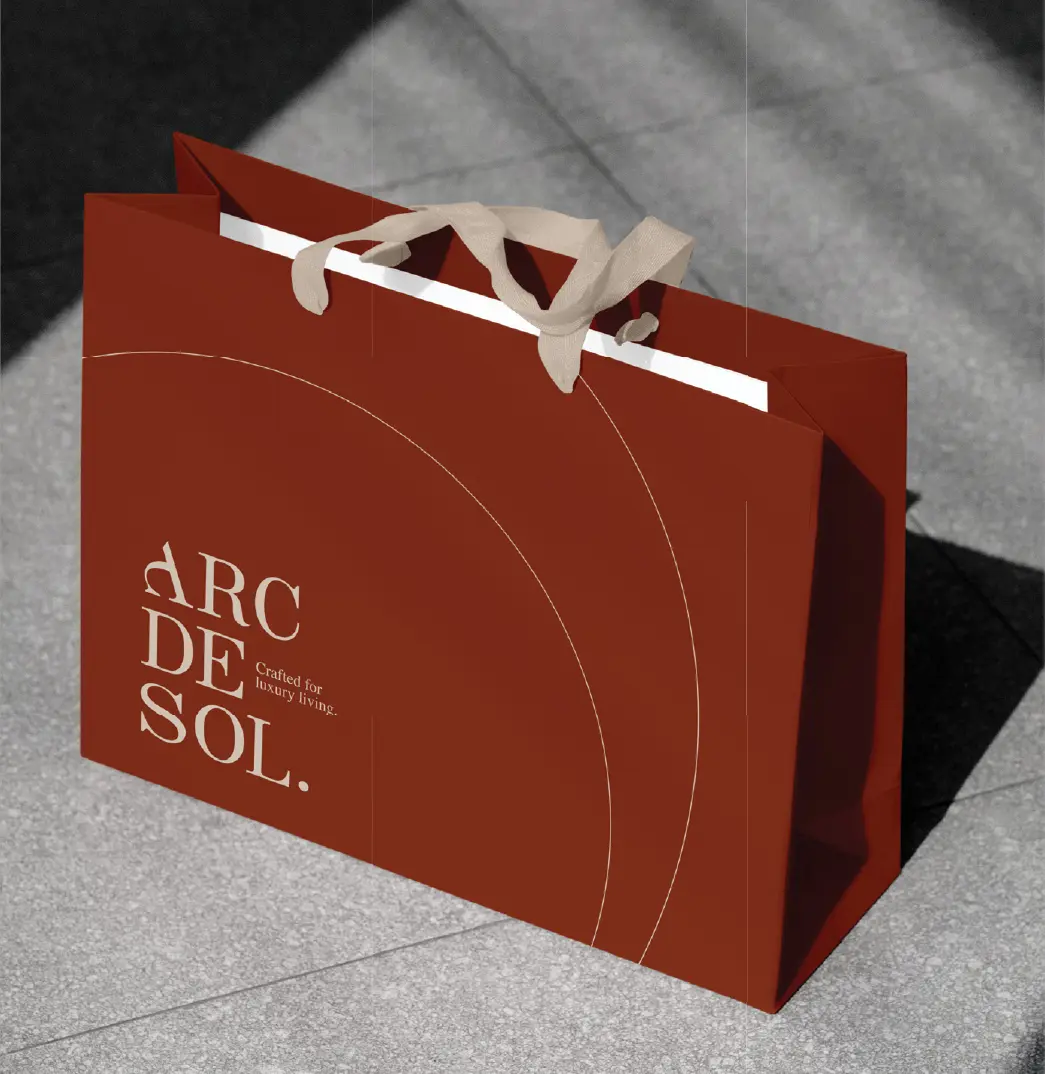
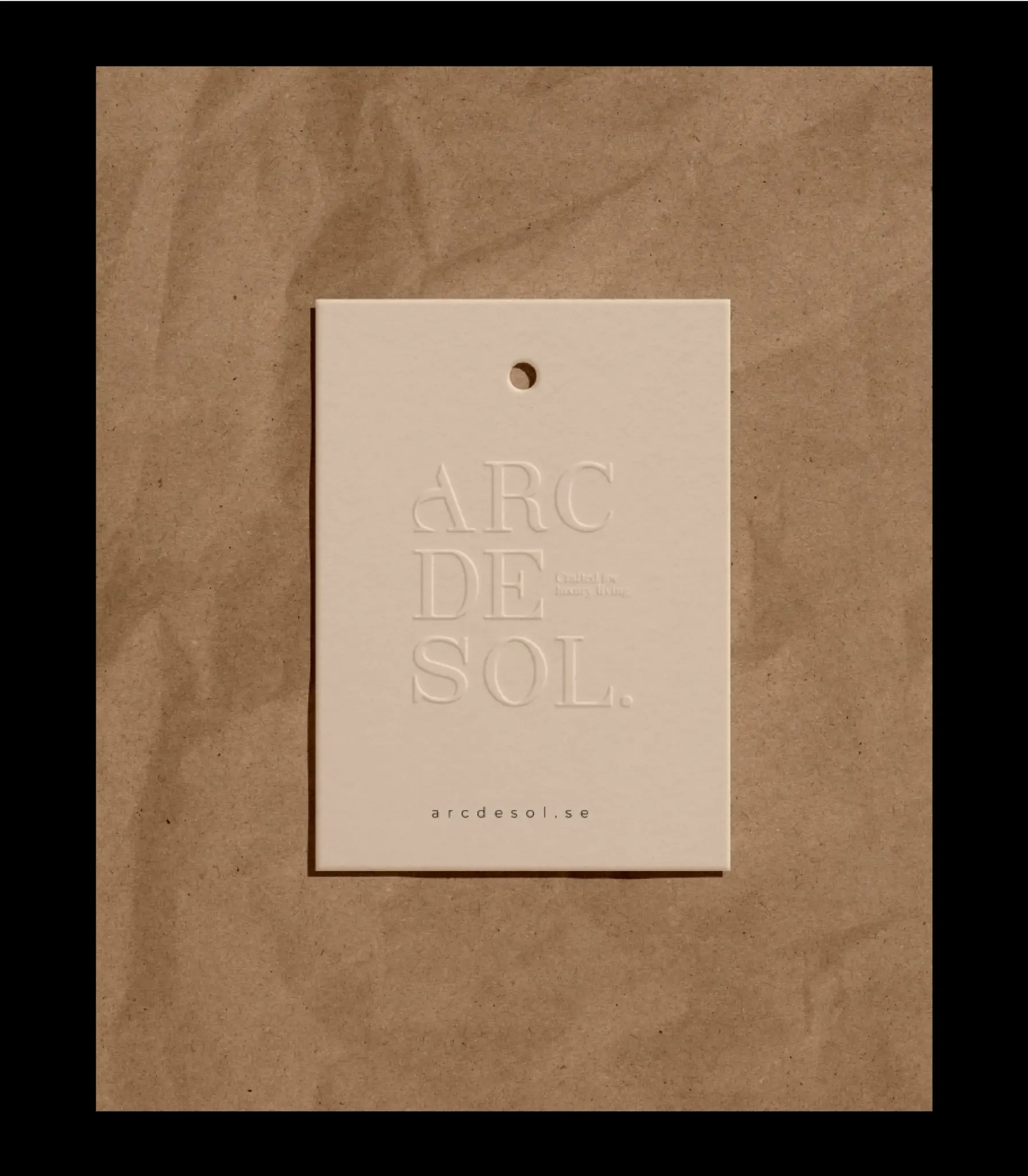
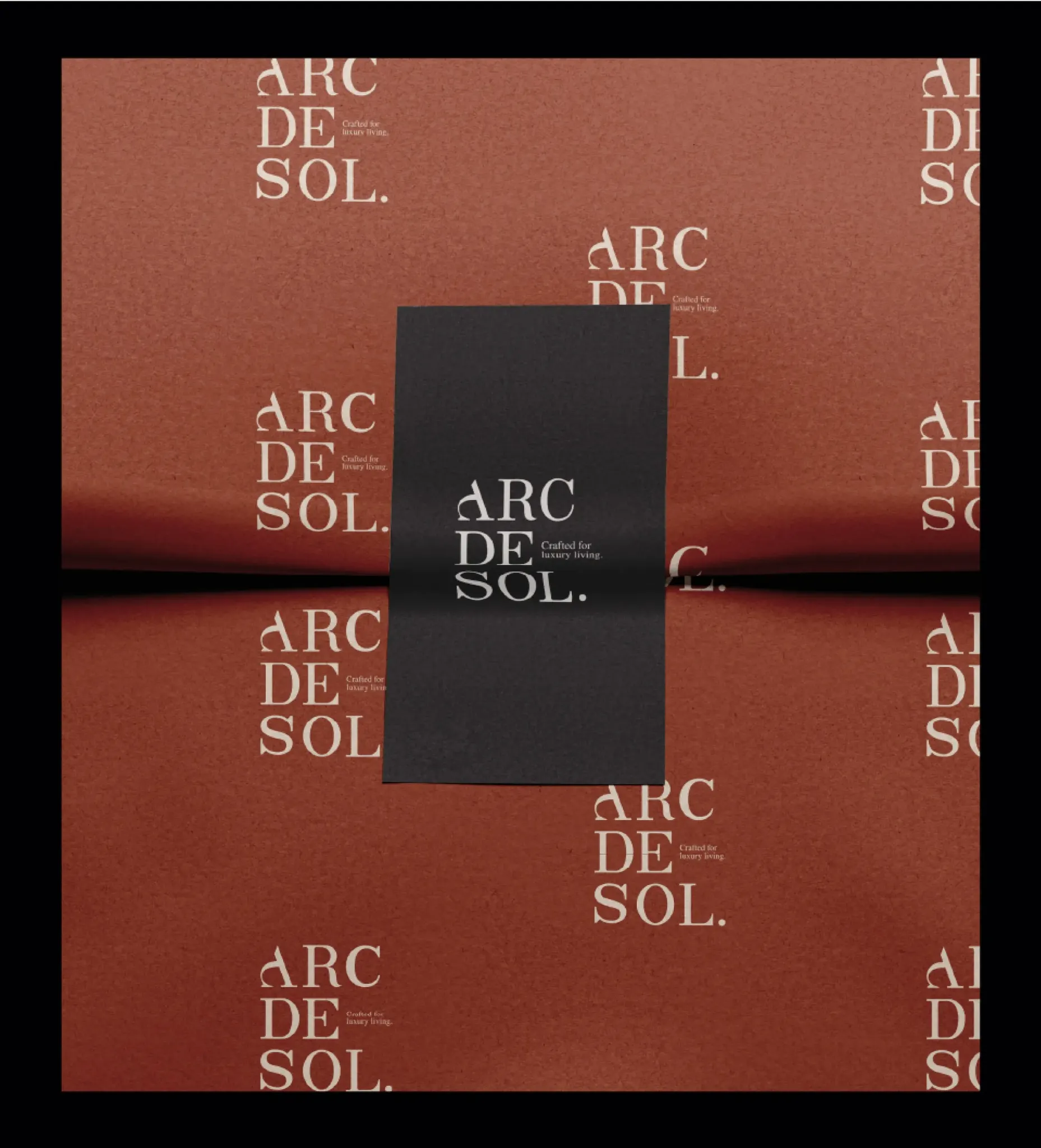
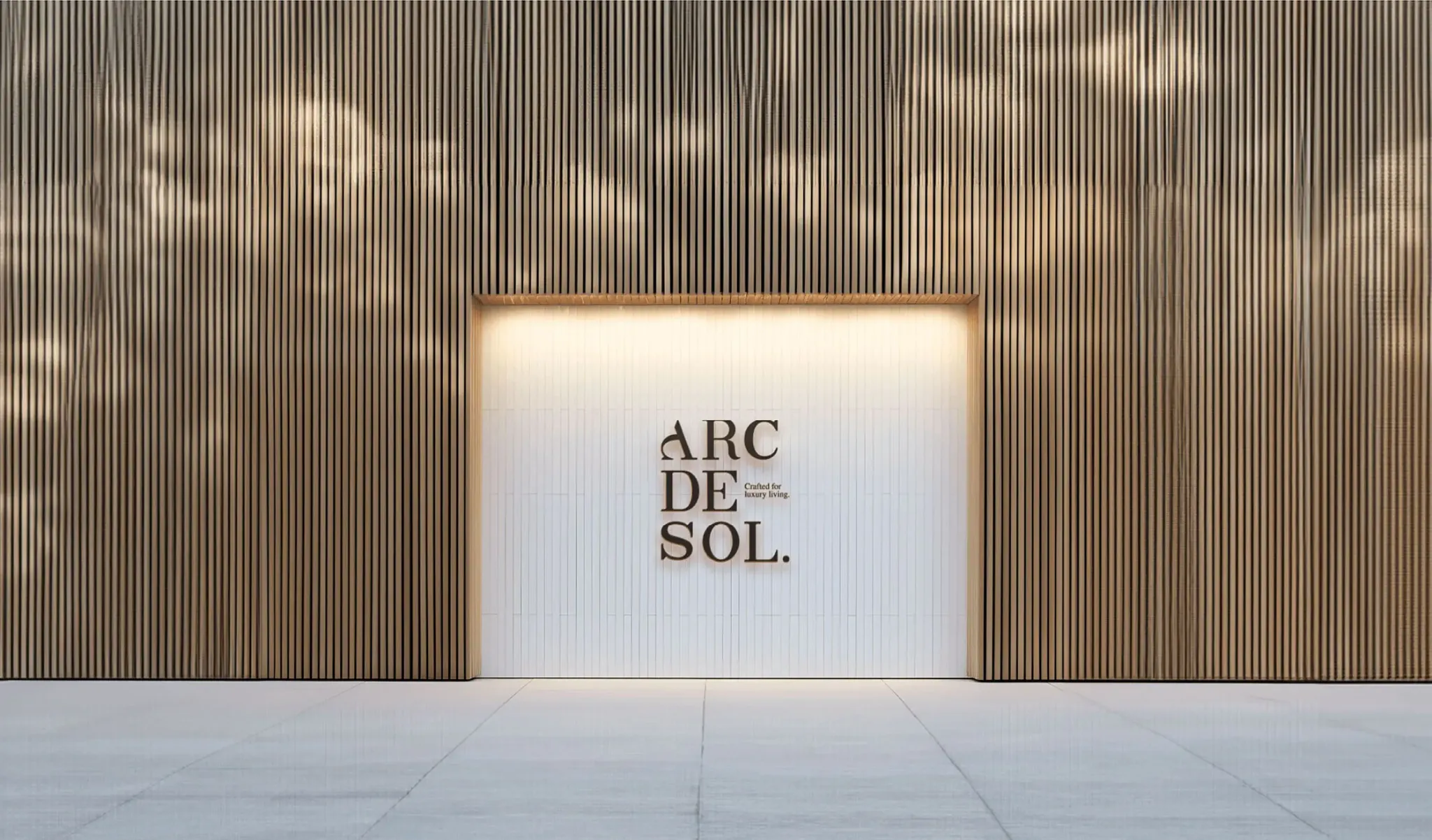
A good example is Arc de Sol, a luxury furniture and interior brand in Saudi Arabia.
The naming process explored architecture, natural light, and warmth. Arc introduced a sense of form and structure, while Sol brought the association with sunlight.
The result was a name that expressed the atmosphere the brand wanted to create, rather than simply describing furniture.
That idea continued into the visual identity, packaging, and digital experience. The name wasn't separate from the brand; it helped shape it. That connection also matters in brand identity design, where a name becomes part of a wider visual system.

Invented Names and Wordplay
Some brands create new words, adapt existing ones, or combine sounds and ideas in unexpected ways.
This can create a distinctive identity, but an unfamiliar word still needs to be easy enough to pronounce, remember, and use.
Our work on MNWEEN shows how language can become part of a brand's personality. The name draws on the familiar Arabic question min ween? — “from where?” — which connects naturally to a cross-border shopping service.

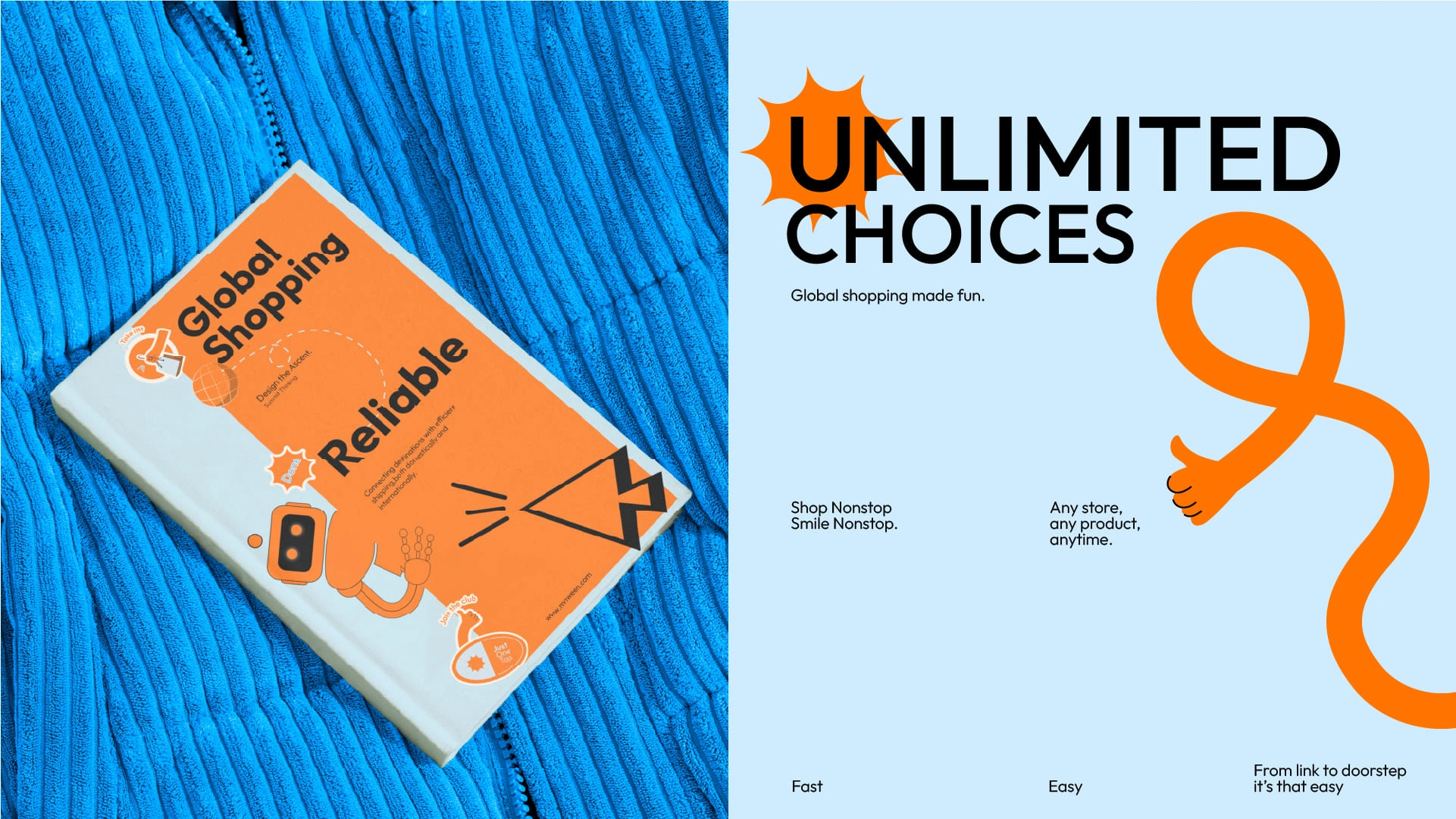
The name feels conversational and culturally familiar while reflecting the brand’s promise of transparency, affordability, and boundless opportunity for modern, cross-border shoppers.
Founder Names, Initials, and Acronyms
Some businesses use a founder's name, family name, or initials.
These approaches can communicate heritage or simplify a long company name. But they still need to work for people who don't already know the story behind them.
Acronyms, in particular, can be convenient internally while being difficult for new customers to understand or remember.
The important point is that no naming technique is automatically better than another. The choice depends on what the business needs the name to achieve.
Arabic Names: More Than a Translation
For brands operating in Egypt, Saudi Arabia, or the wider Arab region, naming comes with another layer of consideration.
A name might sound natural in English but become awkward when spoken in Arabic. An Arabic word might have a beautiful meaning but be difficult to pronounce for an international audience. Even a familiar name can have different associations across dialects.
And then there's spelling.
If customers hear the name in conversation, will they know how to write it? Will they spell it consistently when searching online? Does the Arabic version feel as natural as the English one?
These questions matter because people don't experience a brand name only through its logo. They say it, search for it, recommend it, and use it in everyday conversations.
When Arabic Leads the Brand
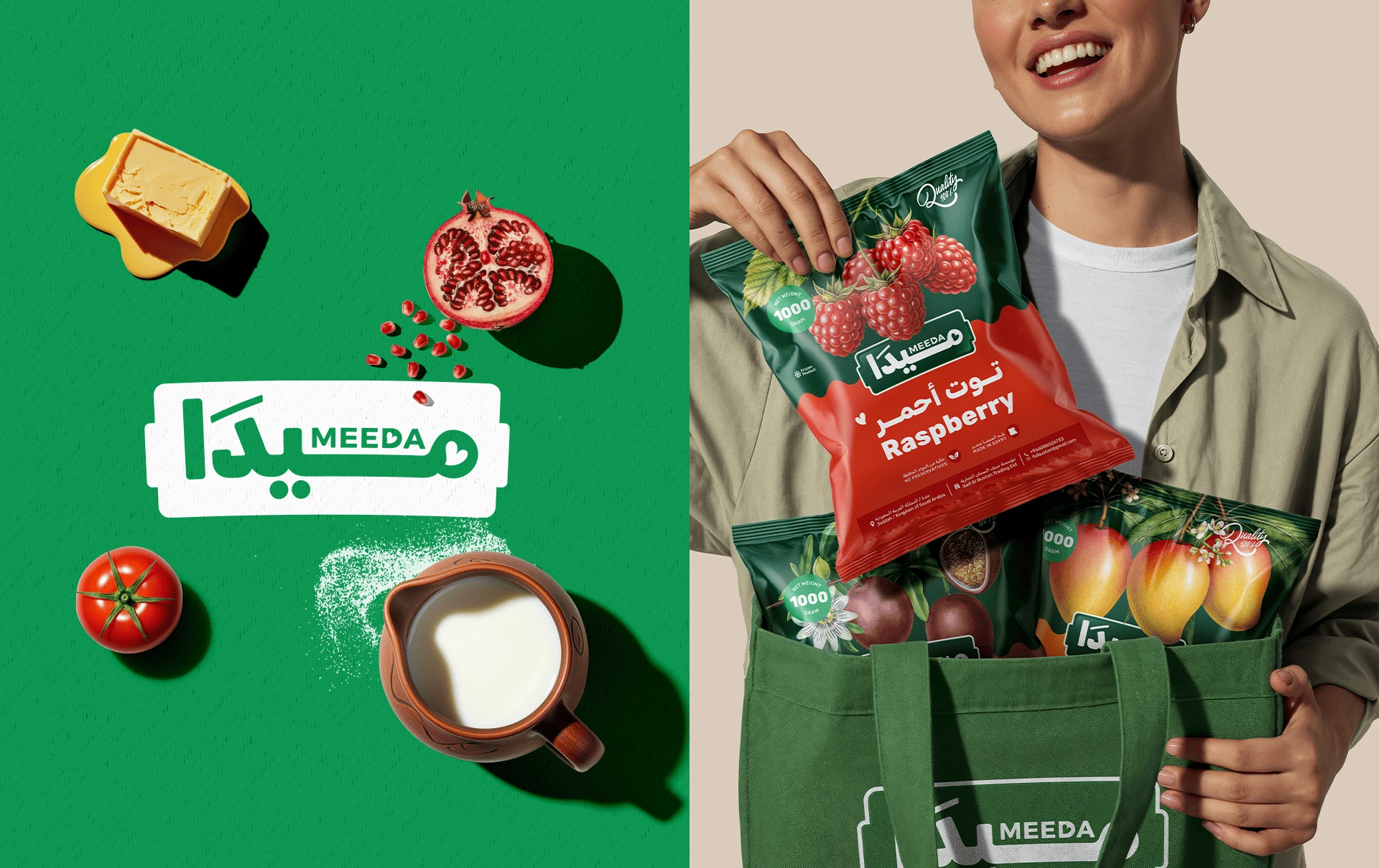
With Meeda, a Saudi food brand, the name needed to feel approachable to local families while also working for a wider audience.
Our naming and identity work gave the brand a short, warm name that could be used naturally in Arabic and English.
The visual identity leads with the Arabic wordmark, with English supporting it. That decision carries through the packaging, helping the brand remain recognisable across different products and formats.
It's an example of why bilingual branding isn't just about translating words. The two languages need to feel like parts of the same brand.
For any business working across languages, it's worth evaluating pronunciation, meaning, cultural associations, spelling, and real-world usage before choosing the final name.
Brand Naming Myths — and the Truth Behind Them
Brand naming doesn’t need to follow a single route; you can combine different techniques and come up with the best name for your brand. What worked for your brand might not work for others, so let’s debunk some myths about brand naming that might have been causing you struggles trying to follow the group.
Myth 1: Shorter Names Are Always Better
Short names can be convenient, but a small number of letters doesn't guarantee memorability.
A short name that's difficult to pronounce may be harder to remember than a longer name with a natural rhythm.
The truth: What matters is how easily people can say, recognise, and recall the name — not just how many letters it contains.
Myth 2: A Name Must Explain Exactly What the Business Does
A descriptive name can help customers understand a business quickly. But it can also become limiting when the business introduces new products or enters new categories.
A name doesn't always need to tell customers what is being sold. Sometimes it's more valuable to communicate an idea or feeling.
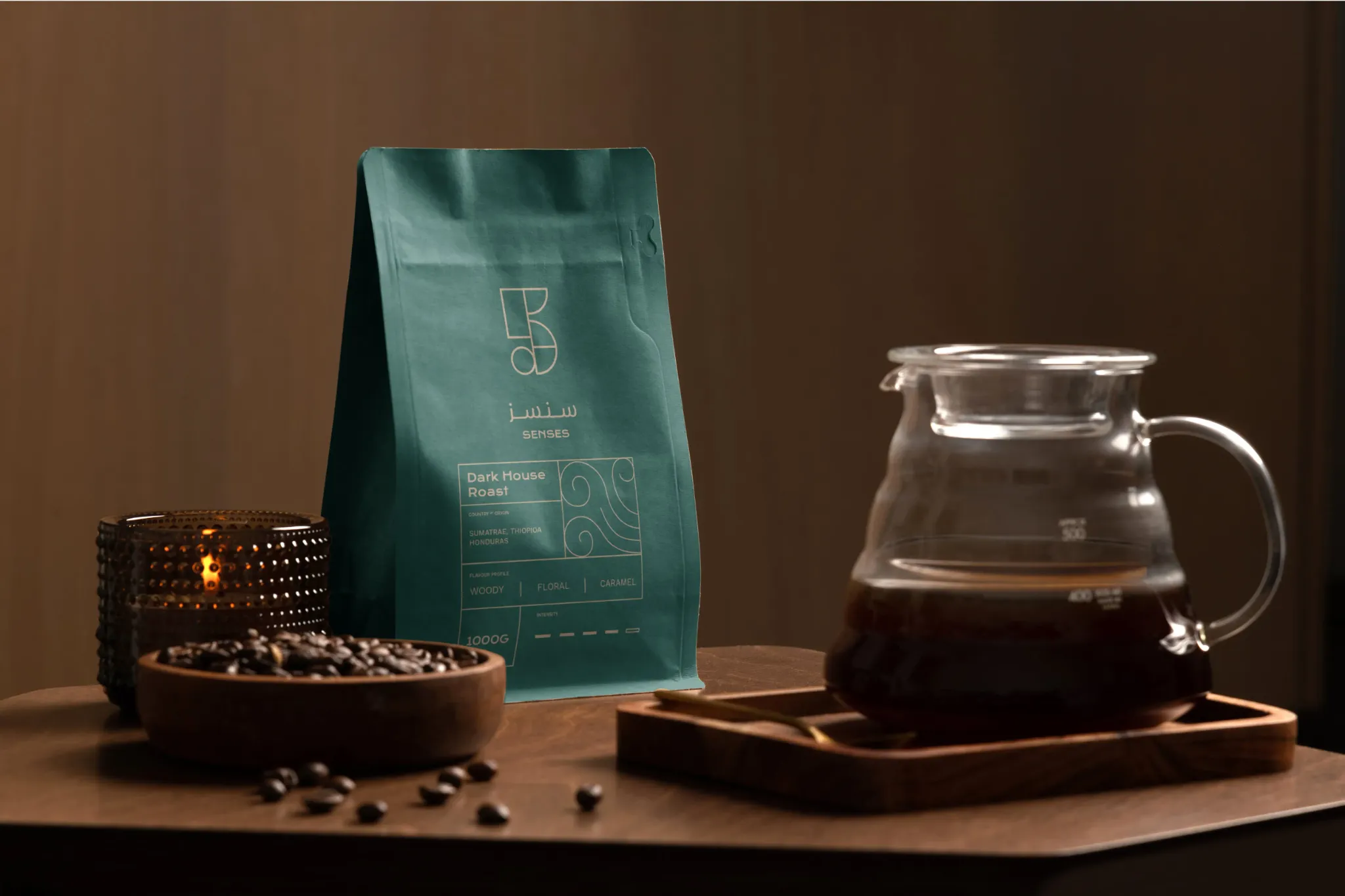
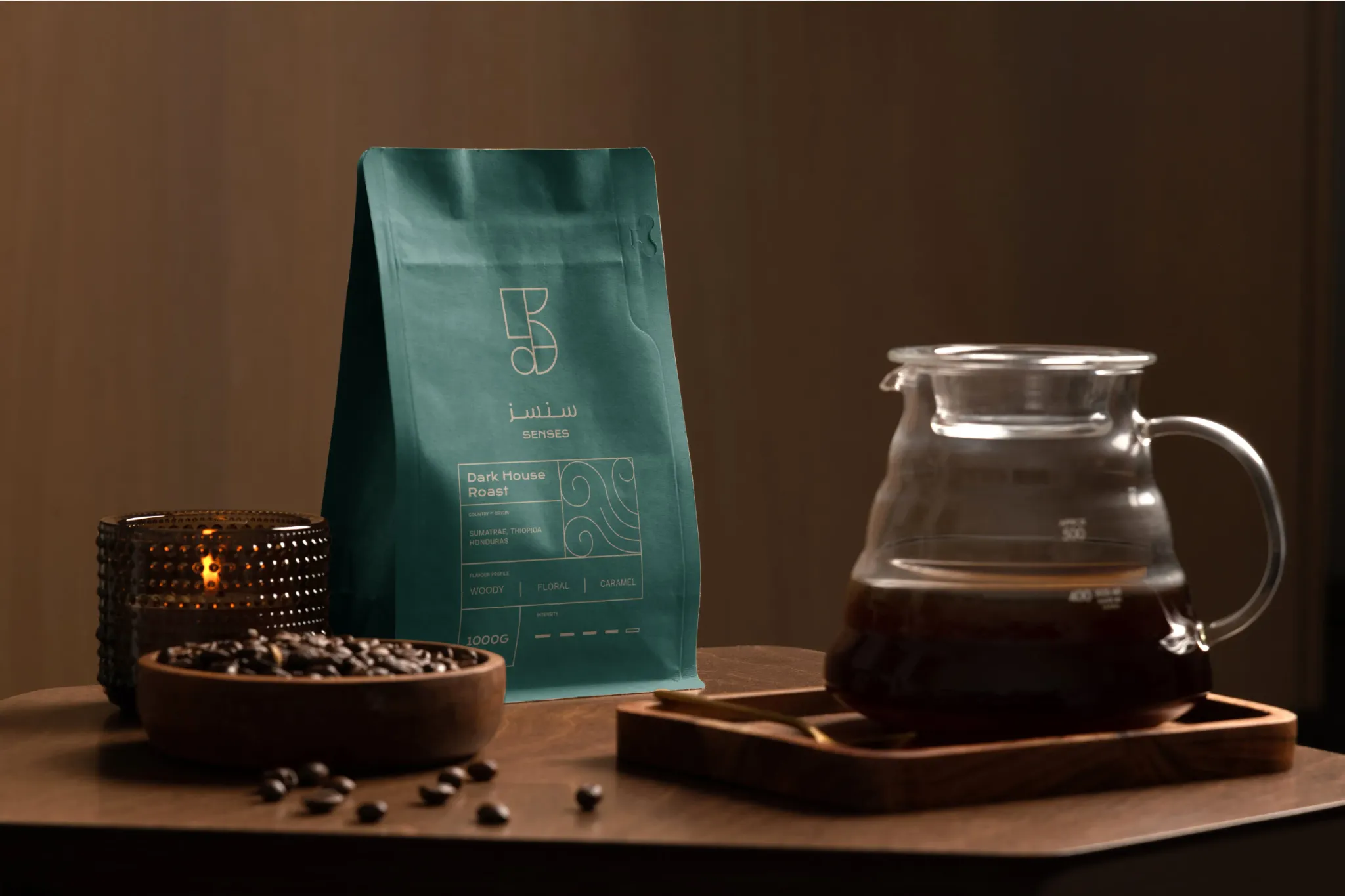
As in our work with 5 Senses Café. We didn’t choose a name that directly mentions coffee, chocolate, or sweets. Instead, the name reflected the experience the café wants customers to enjoy: one that engages their senses through taste, aroma, texture, sight, and sound.


The truth: A name doesn't have to tell the entire story. It needs to give the brand the right starting point.
Myth 3: The Most Creative Name Is the Best Name
An unusual name might get everyone's attention during a presentation. That doesn't automatically make it a good business decision.
What if customers can't pronounce it? What if it carries an unintended meaning in another language? What if it looks distinctive but sounds almost identical to a competitor?
Creativity matters, but it needs to work alongside clarity and practical considerations.
The truth: A great name isn't the most unusual option in the room. It's the one that makes the most sense for the brand and its audience.
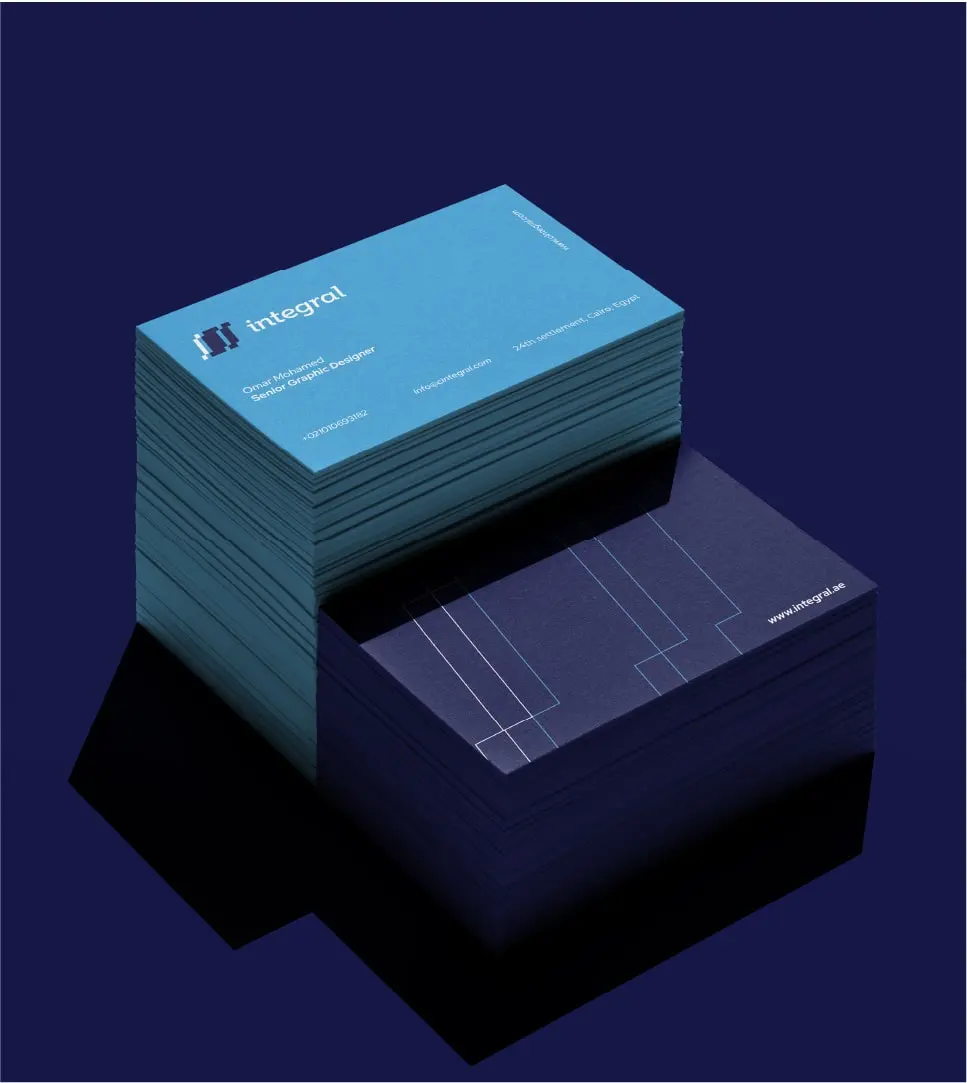
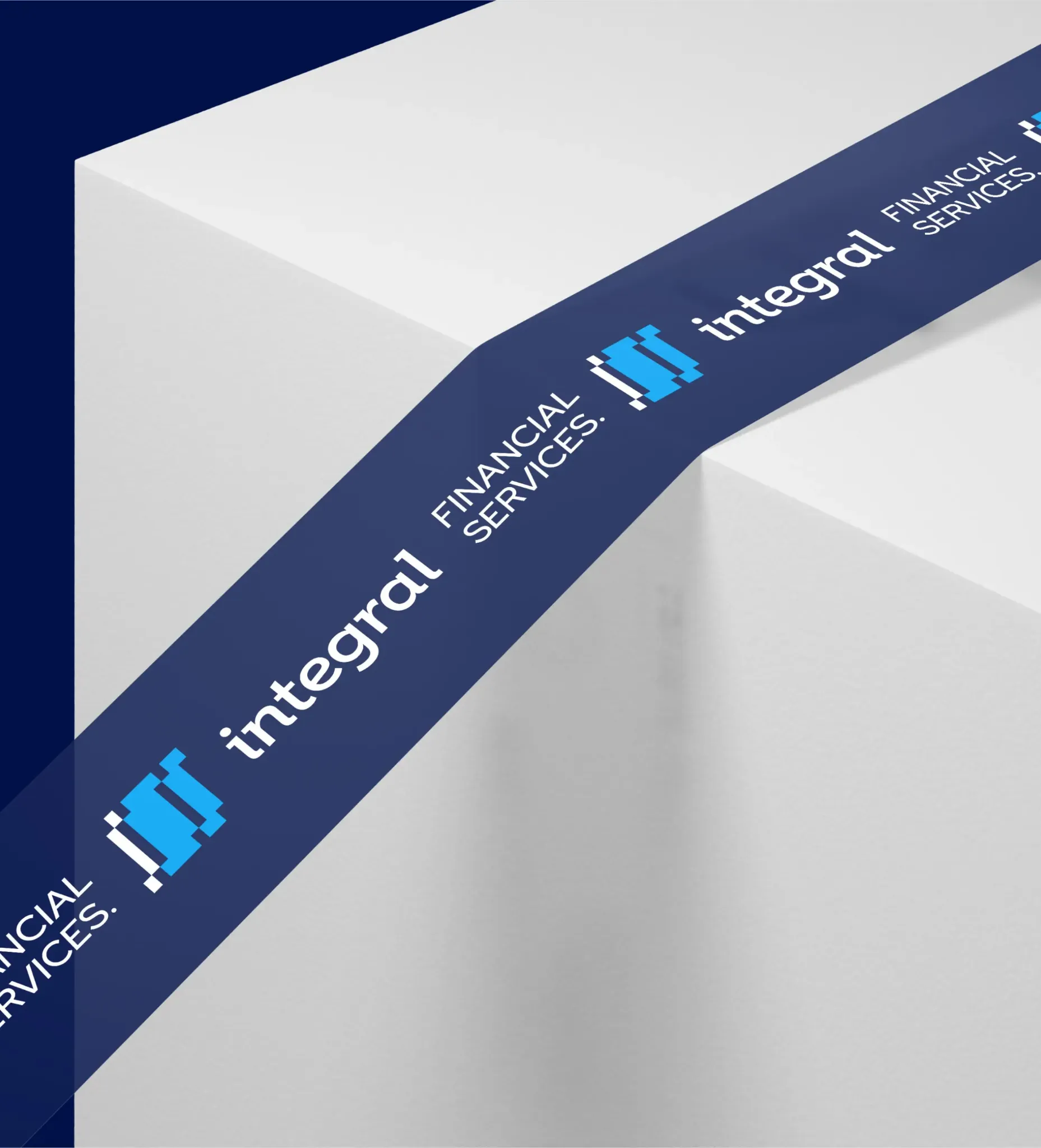
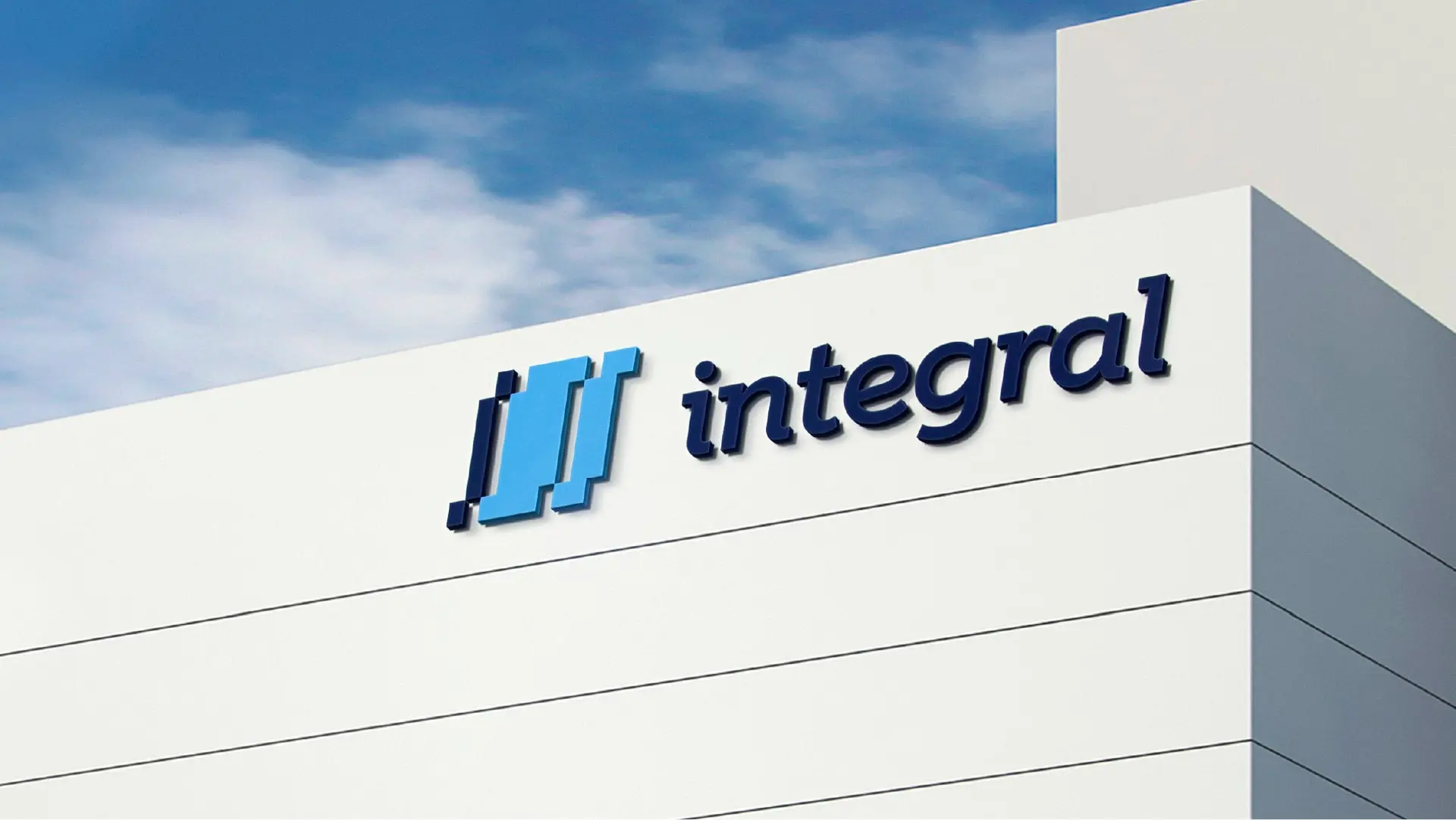
As Integral, the global firm offering a wide range of financial services to businesses across all sizes and industries. The brand name came from inside their world, a word used by accountants, and holds the brand essence at the same time. It might not be a creative name; instead, it is the creative thinking that brought it up.

Before Choosing a Name, Check These Things
A name might sound perfect, but before making it official, there are a few practical things worth checking.
From competitors using similar names to domain availability and legal considerations, these details can make a big difference in how successfully your brand enters the market.
Research the Competition
A name can sound original on its own and still blend into a crowded market.
If several businesses in the same category use similar words, sounds, or themes, another variation might not help your brand stand out.
Competitor research can reveal these patterns and help identify opportunities for a more distinctive direction. This is part of brand positioning: understanding the category before deciding how to stand apart.
It also helps you avoid a name that could be confused with an established business.
Check Domains and Digital Availability
Before committing to a name, search for it online.
Is a suitable website domain available? Are similar names already being used? Can customers find the business easily? What happens when someone types the name in Arabic rather than English?
Exact social media handles and domains aren't always available, but those limitations should be understood before the name becomes part of the brand's identity.
The goal isn't necessarily to secure the shortest domain. It's to make the brand easy to find and recognise.
Consider Trademark, Business Registration, and Tax Records
A name being available as a domain doesn't mean it's legally available for business use.
Trademark screening helps identify potential conflicts with existing brands. Business or trade-name registration may involve separate requirements, depending on the market.
There's also a practical administrative side. The name a business uses publicly may need to be distinguished from its registered legal entity name across contracts, invoices, tax documentation, and other official records.
These are related considerations, but they are not interchangeable. A registered business name doesn't automatically establish trademark rights, and preliminary searches don't guarantee legal clearance.
For businesses operating in more than one country, the checks should reflect each relevant jurisdiction.
It's worth involving the appropriate legal and registration professionals before making a final commitment.
Test the Name Outside the Presentation
Finally, use the name as a customer would.
Say it out loud. Ask someone unfamiliar with the business to spell it after hearing it. Try it in a sentence. Imagine it on a website, storefront, product label, or invoice.
A name can look impressive in large typography and still feel uncomfortable in conversation.
The real test is whether people can use it naturally.
A Great Name Is Only the Beginning
A brand name is one of the first things people encounter, but its meaning doesn't stay in the word alone.
That meaning grows through the identity, communication, products, and experiences people associate with it.
This is why brand naming works best when it's connected to a clear understanding of the business and where it wants to go. A clear brand strategy gives those decisions direction.
At The Generator, naming is part of a wider brand strategy and development process. We connect research, positioning, language, and creative direction to develop identities that keep working beyond their launch.
Projects like Arc de Sol, Meeda, and MNWEEN, among others, show that different businesses need different naming approaches. One begins with an atmosphere and architectural idea. Another needs warmth and familiarity in everyday Arabic. A third uses a familiar expression to connect directly with its service.
Different names. Different challenges. One principle: the thinking behind the name matters as much as the name itself.
If you're building a new brand or reconsidering an existing one, explore more in , or get in touch to discuss the direction your business needs.
Because a great brand name isn't just something people remember. It's something the business can grow with.
THE GENERATOR / INSIGHTS
Common Questions About Brand Naming
What makes a good brand name?
A good name is relevant to the business, distinctive enough to recognise, and easy for its audience to use. It should also fit the brand’s positioning and leave room for future growth.
Does a brand name have to describe the product?
No. A descriptive name can make an offer clear, but an evocative or invented name can communicate a feeling or idea instead. The right approach depends on the brand and its audience.
Should a brand name be short?
Not necessarily. A name that people can pronounce and remember naturally may work better than a shorter name that feels confusing or unfamiliar.
How do you choose a brand name in Arabic and English?
Test how it sounds, reads, and is understood in both languages. Check meaning, cultural associations, transliteration, and spelling across the markets where the business will operate.
What should you check before using a brand name?
Research similar names in your category, suitable domains and social handles, and potential trademark conflicts. Business registration and tax documentation can require separate checks. For legal clearance, consult qualified professionals.
Can a business change its name without changing its entire identity?
Yes. A name change and a visual identity update do not always have to happen together. The decision should start with the business’s positioning, existing recognition, and reasons for changing.
Have a Brand in Mind?
From the name to the full identity, we help businesses build brands with clear thinking behind every decision.
Let's talk about your brandHave a Brand in Mind?
From the name to the full identity, we help businesses build brands with clear thinking behind every decision.
Let's talk about your brand