A plain look at what actually changes once a business has more than one department, product line, or subsidiary to keep consistent, told through three real clients we've worked with, not theory.
In this guide
We see a specific moment come up again and again with growing clients. A company outgrows its first identity, a second office opens, a new department forms, maybe a subsidiary gets added, and the brand that worked fine for a small team stops holding together for two hundred people. One department's slide deck looks different from another's. The website says one thing, the factory signage says another. Nobody decided this on purpose; it just happened, one deadline at a time.
That's the gap a corporate brand agency (sometimes called a corporate branding company or corporate identity agency) is built to close, not a single product or a single storefront, but an identity built to hold together as a whole organization grows.
What "corporate branding" actually means
Corporate branding is the identity of the company itself, separate from any one product, service, or campaign. It's what makes an employee's email signature, a regional office's signage, a subsidiary's website, and a press release all recognizably the same business, even when different teams produced each one without talking to each other that week.
A logo tells people what to look for. Corporate branding is what makes them trust it no matter which part of the company they're looking at.
It touches more than visual identity, too, corporate branding sets the tone a company uses with investors versus customers, defines how subsidiaries relate to the parent name, and decides what stays consistent globally versus what a regional office can adapt.
How it's different from branding a startup or a single product
A single-brand identity project answers one question: what does this business look and sound like? A corporate branding project has to answer that question and keep the answer true across every department, market, and business unit that will use it, often ones that didn't exist yet when the guidelines were written.
In practice that means three things a smaller identity project usually doesn't need:
- Brand architecture, a defined structure for how subsidiaries or product lines relate to the parent brand
- Governance, clear rules for who can adapt the brand, and how far, before it stops being the same brand
- Rollout across stakeholders, training and templates that reach every department, not just a single launch announcement
Brand architecture: the piece most companies skip
This is usually where an outgrown identity actually breaks. The moment a business has more than one meaningful brand under it, a parent company and a subsidiary, two product lines that serve different audiences, a group with several operating companies, someone has to decide how they relate.
There are three common structures, and most real companies land somewhere between them rather than picking one cleanly:
- Branded house, everything carries the parent name and identity directly (think of how a single logo covers every division)
- House of brands, each business unit has its own distinct identity, with the parent company staying invisible to the end customer
- Endorsed brands, sub-brands keep their own identity but visibly carry a "part of [parent company]" endorsement
Getting this decision explicit, instead of letting it happen by accident, department by department, is most of what separates a corporate brand that scales cleanly from one that quietly fragments as the company grows.
Three corporate brands, built to hold together at scale
Here's what this actually looks like applied to real organizations, a manufacturing group, an investment holding company, and a single brand running a wide product range, each needing one identity to hold across everything underneath it.
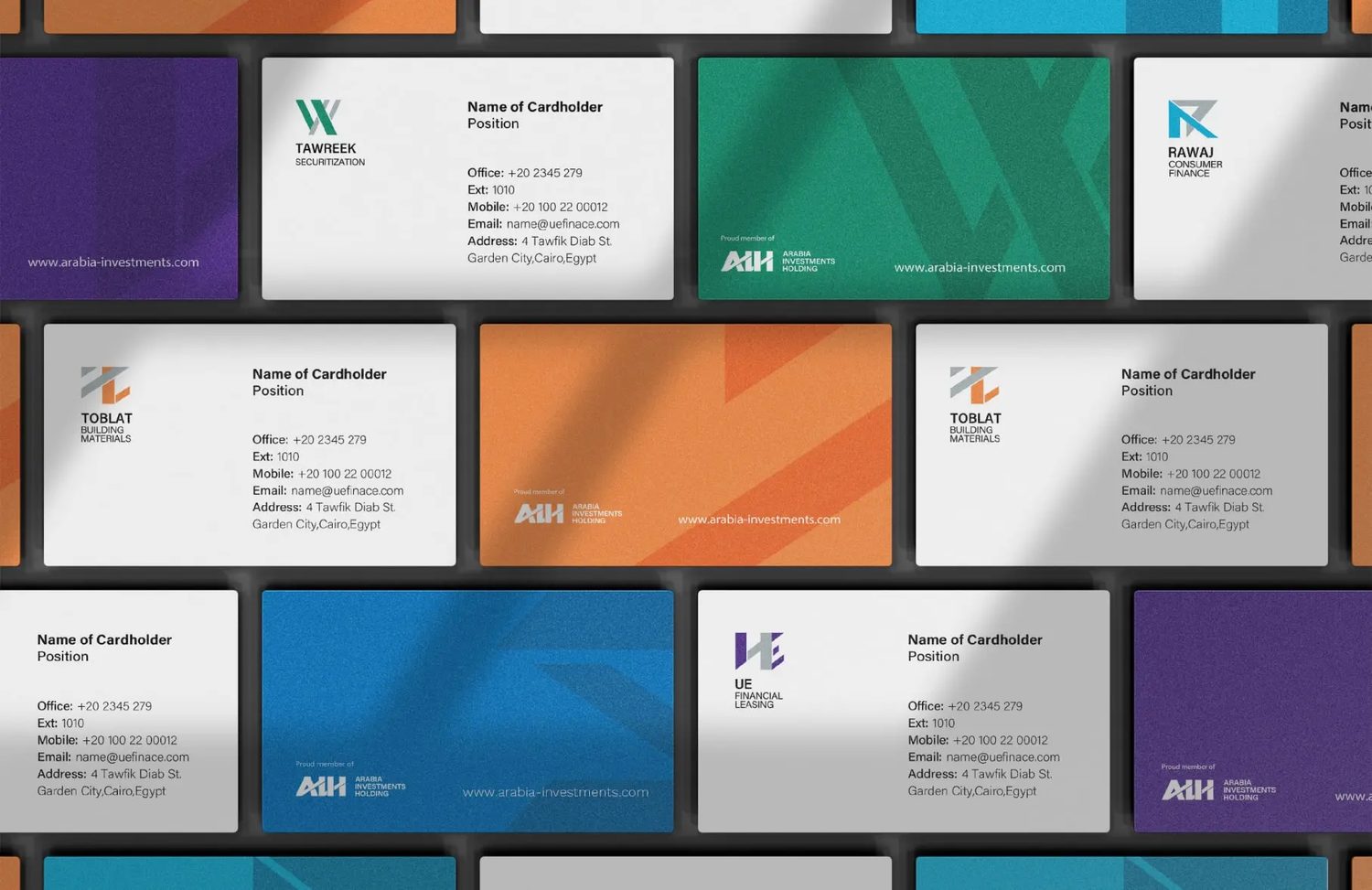
AIH, brand architecture for a group of subsidiaries, not just one company
Brand Identity · Brand Architecture · UI/UX · Web Development
Challenge
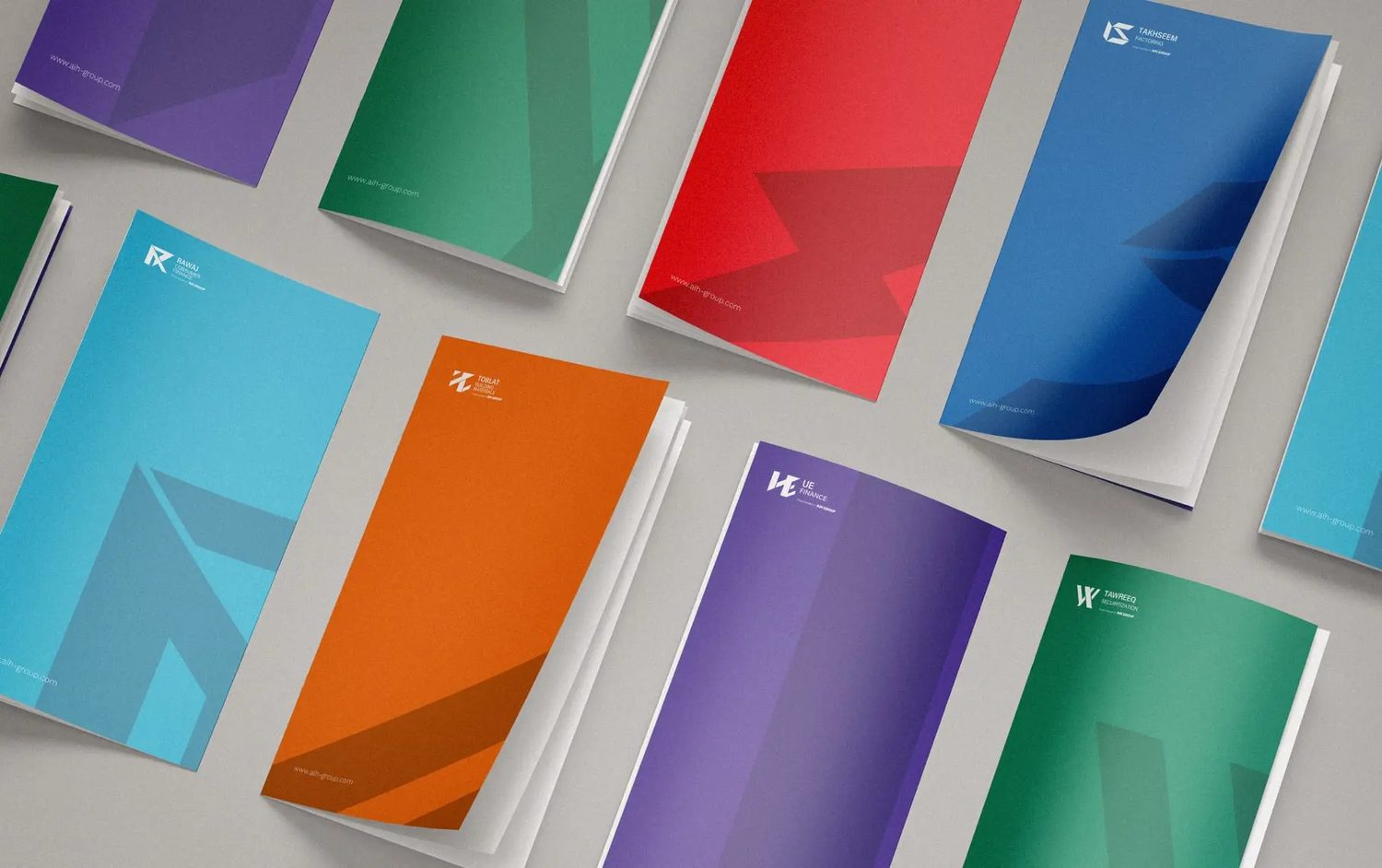
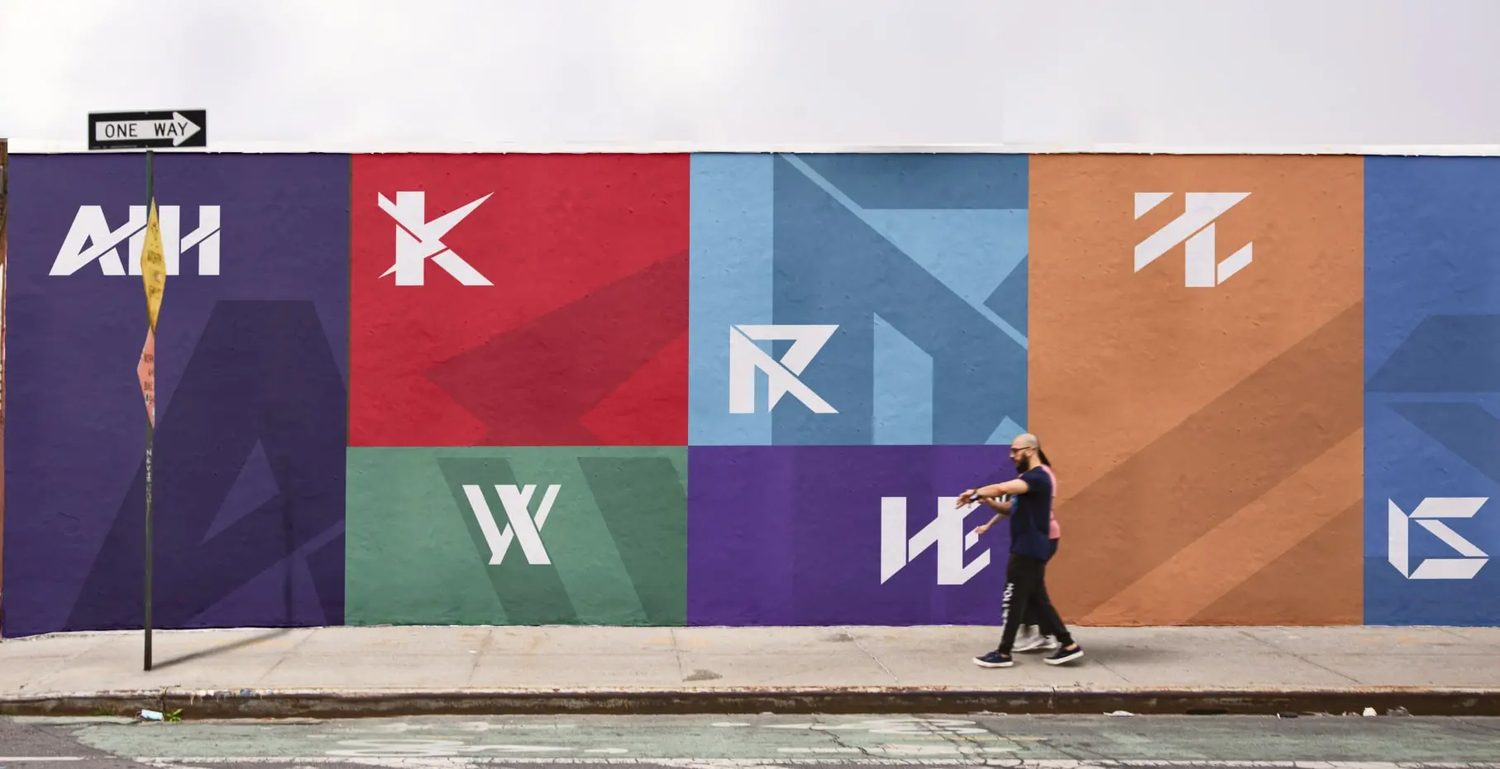
AIH operates across multiple investment verticals through a network of subsidiaries. It needed one identity that reads as institutional and trustworthy to investors, while still leaving room for each subsidiary to be scaled and recognized on its own.
What we delivered
A brand architecture system built specifically to organize a group of companies under one institutional identity, plus the logo, typography, and full guideline manual needed to keep every subsidiary consistent as the group keeps adding to it.

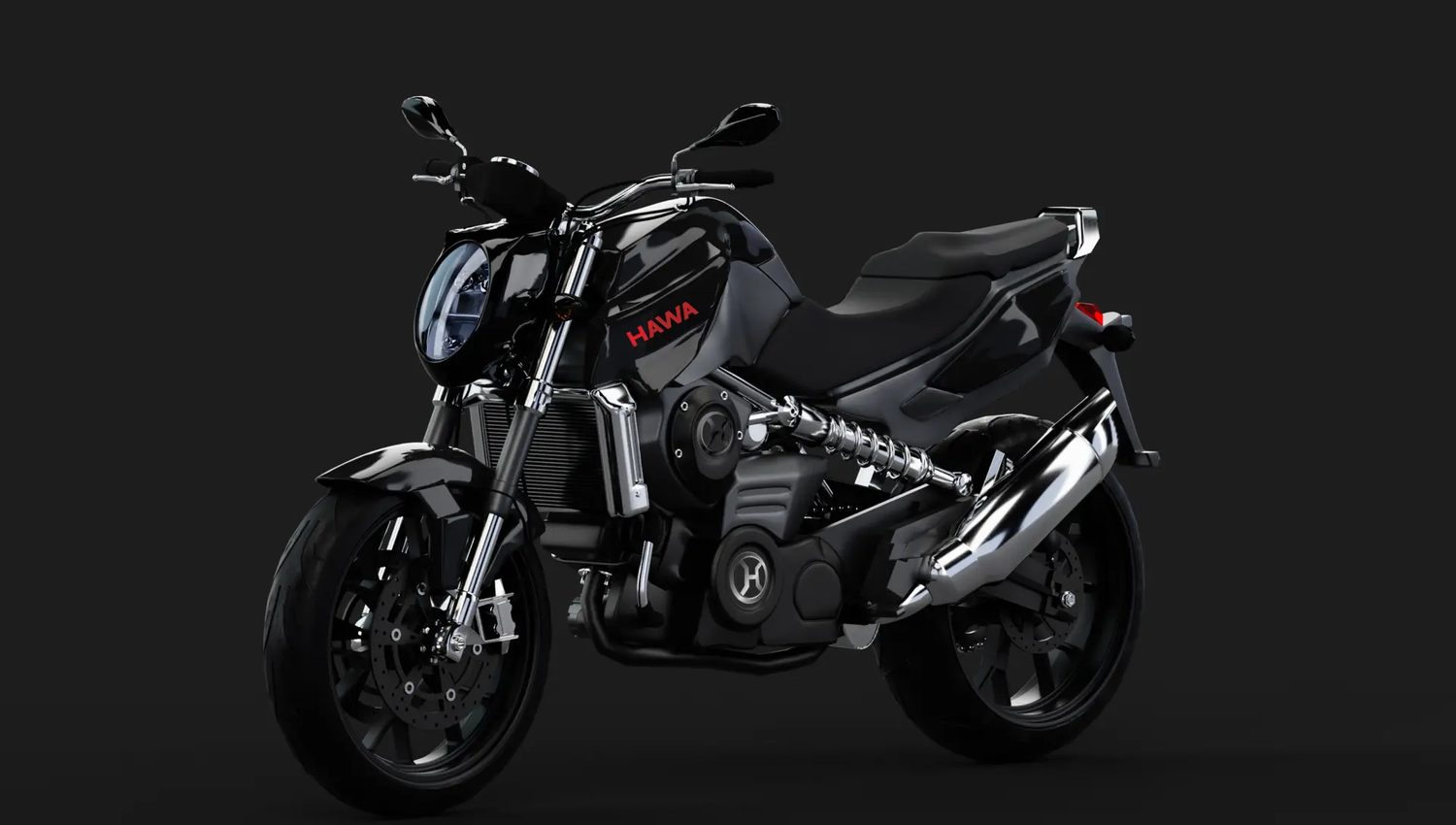
HAWA Group, one identity across factories, subsidiaries, and a factory floor
Brand Identity · Brand Architecture · Guidelines · Creative Brand Writing
Challenge
HAWA Group grew from two factories into a group of specialized subsidiaries, and the brand hadn't kept up. Different factories, products, and materials were starting to look like different companies.
What we delivered
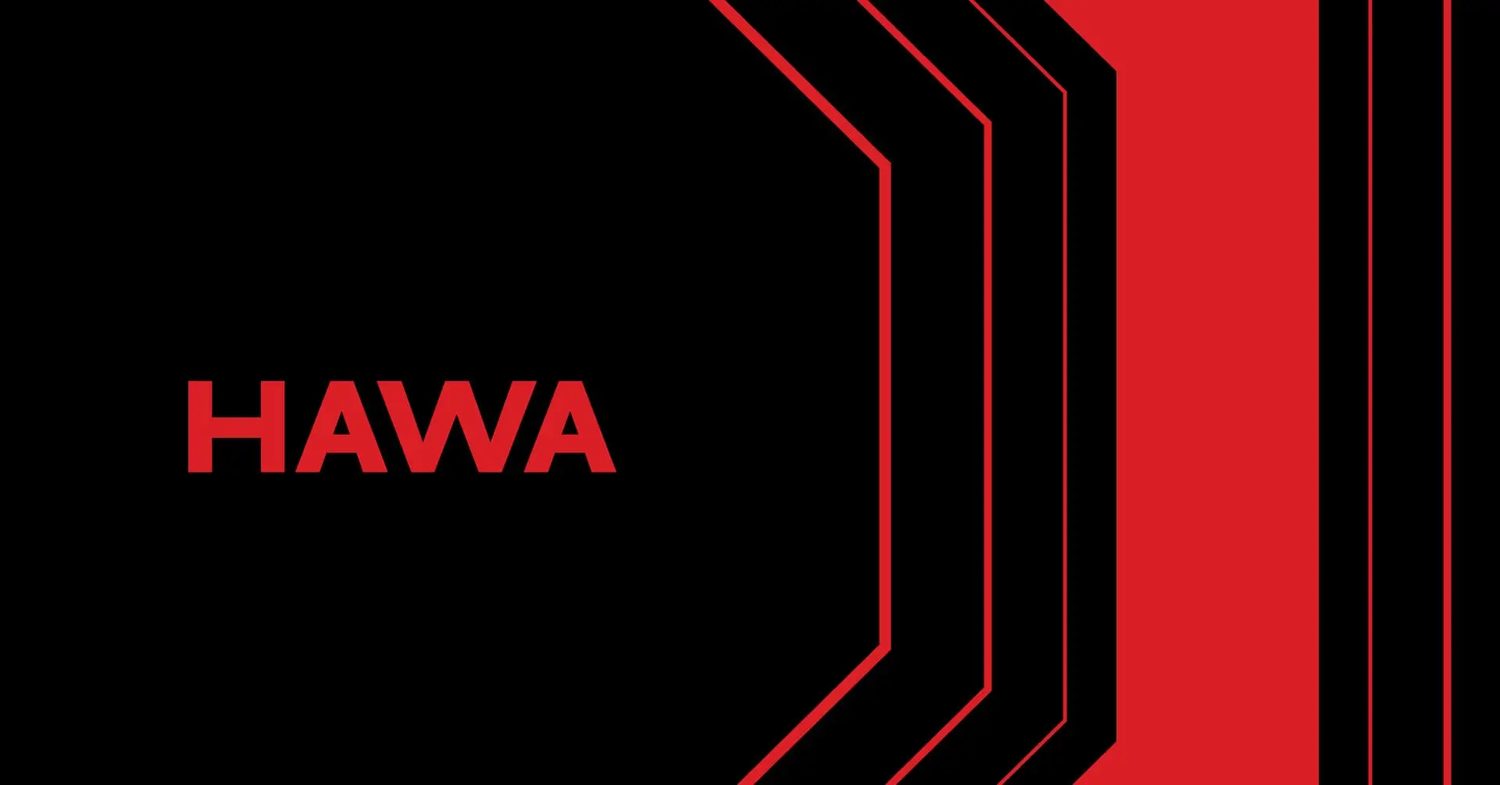
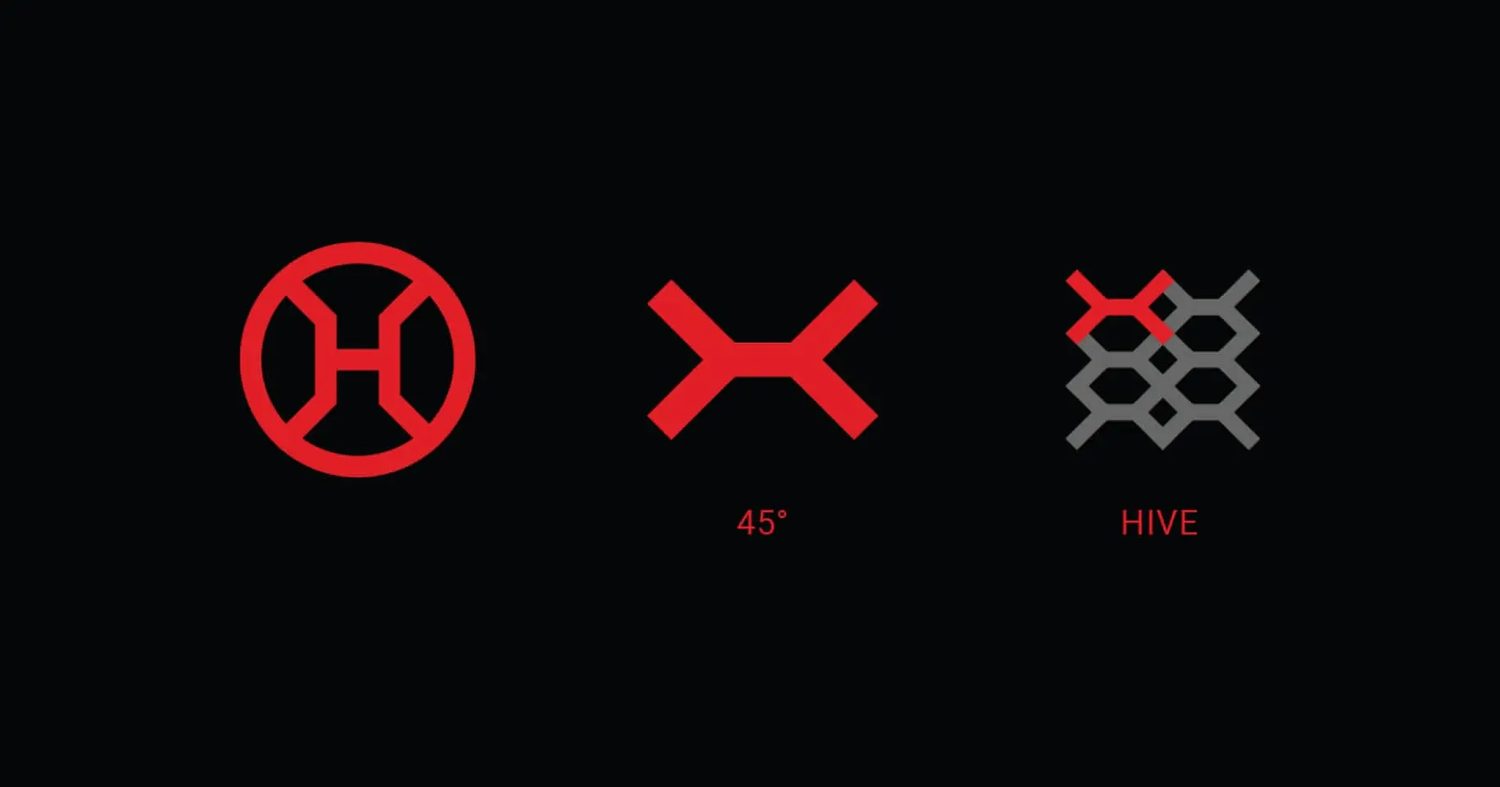
A brand architecture that gives HAWA Group a unified parent identity while letting each subsidiary keep its own presence underneath it, built around a mark simple enough to reproduce correctly on factory signage, not just on a screen.
NURA, one brand, disciplined enough to cover a whole product range
Brand Identity · Packaging · Guidelines

Challenge
NURA sells a wide range of skin, hair, and body-care products, from aloe vera gel to detox clay masks. The brand system had to hold all of it together on shelf, without collapsing into a dozen unrelated-looking labels.
What we delivered
A single flowing identity, one logo, one visual language, engineered with a detailed guideline system covering product hierarchy, so a new product could be added to the range without inventing a new look every time.

Signs your business needs this now
Whether you call it corporate branding, a corporate identity project, or working with a corporate branding company, the underlying need shows up the same way:
- Different departments have quietly started making their own version of "the brand" in slide decks and documents
- You've added a subsidiary, product line, or regional office and nobody's decided how it relates to the parent brand
- Your website, signage, and printed materials look like they belong to three different companies
- Nobody on the team can point to a single guideline document and say "this is the rule"
None of these mean starting from zero. Often it means formalizing what's already mostly right, then building the governance and guidelines that keep it that way as the company keeps growing.
Frequently asked questions
What does a corporate brand agency do differently from a regular branding agency?
It focuses on consistency at scale, holding one identity together across departments, subsidiaries, or regions, leaning more heavily on brand architecture, governance, and rollout than a single-brand project needs.
What is brand architecture, and does my company need it?
It's the system defining how a parent company's name and identity relate to its subsidiaries or product lines. You need it as soon as customers might encounter more than one of your brands separately.
How do you keep a corporate brand consistent across many departments?
A documented guideline system covering logo, color, typography, and tone, plus an actual rollout process that trains the teams using it, not just a PDF nobody opens.
How long does a corporate rebrand take?
Typically eight to sixteen weeks, longer than a single-brand project, since it involves more stakeholders and often a phased rollout across departments or subsidiaries.
Ready to bring one identity to every part of your business?
We'd be glad to walk through your idea, the people it's for, and what a first prototype could look like. Generator designs apps, platforms and websites for companies across Saudi Arabia and Egypt, and we always start with the users.
Start a conversation