"Our marketing isn't working. Maybe we need a new logo?"
We hear some version of this every month, from Cairo startups and from established groups in Riyadh. Usually the campaigns are fine and the logo is fine. What's missing is a clear answer to a simpler question: why should anyone choose you over the company next door? Until that's settled, every new design and every new campaign says something slightly different, and customers stop listening.
The short version: brand consulting is the work that answers that question before anything is designed. This article explains what a brand consultant actually does, when it's worth paying for, what you should get at the end, and five brands where we did the thinking first, for clients in Egypt, Saudi Arabia and beyond.
What brand consulting actually is
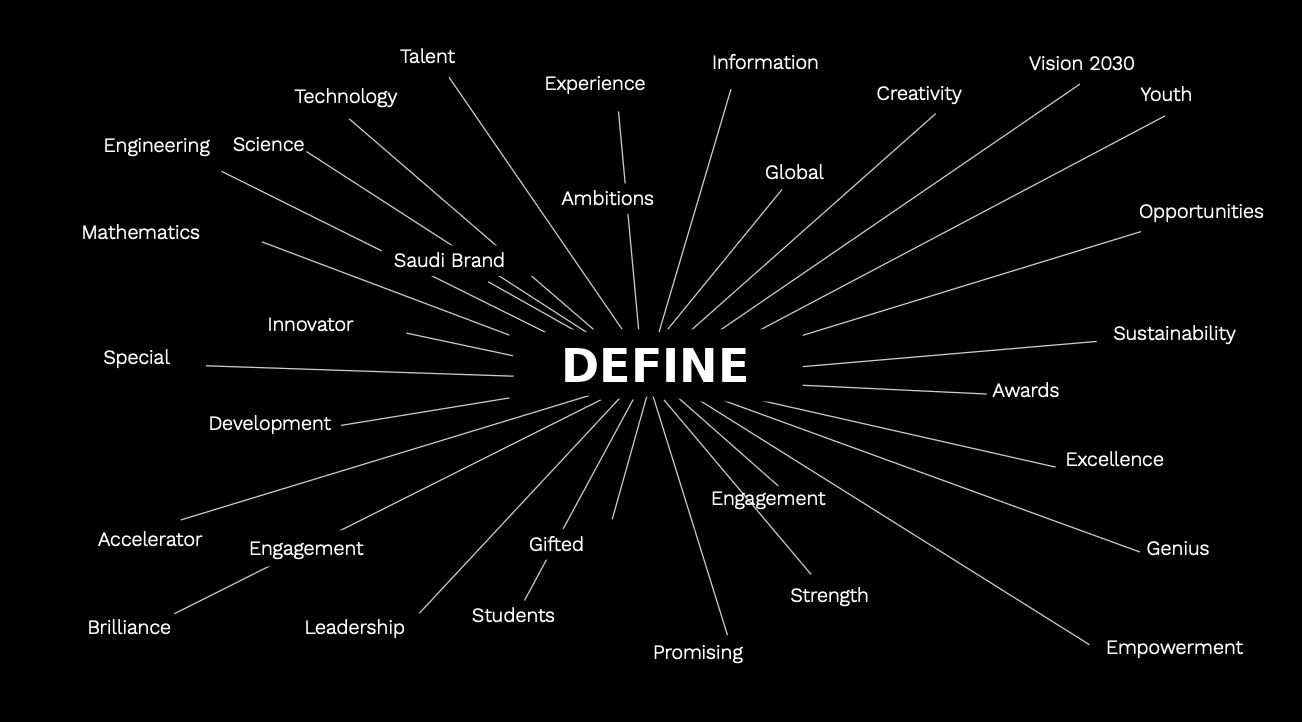
A designer asks, "What should this look like?" A marketer asks, "How do we get this in front of people?" A brand consultant asks the questions that come before both: who is this for, what do they believe today, what should they believe tomorrow, and what gives us the right to say it?
The answers become decisions: a position in the market, a promise you can keep, a structure for your brands and a way of speaking. Design and marketing then have something solid to express. Without that, they're guessing.
| Design only | Brand consulting | |
|---|---|---|
| Starts with | A brief and some references | Interviews, research and an audit of where you stand |
| Main question | How should we look? | What should we stand for, and for whom? |
| Competitors | Used as visual references | Mapped to find the space nobody owns |
| Output | Logo, colours, templates | Positioning, architecture, messaging, roadmap |
| Arabic and English | Handled at the design stage | Decided at the naming and messaging stage |
| Result | A new look | A direction every team can follow |
The best projects need both. That's why our branding and positioning work runs straight into design without changing teams.
When companies call a brand consultant
Nobody wakes up wanting "brand consulting." They call because something specific is happening. These are the moments we see most often:
- You're launching something new. The idea is clear to the founders but not yet to customers, investors or the team you're hiring.
- You've outgrown your brand. The company has changed, but the name, story and identity still describe where you started.
- You're moving between Egypt and Saudi Arabia. An Egyptian brand entering the Kingdom, or a Saudi business opening in Cairo, needs to know what travels and what has to change.
- You own more than one brand. Subsidiaries, product lines or acquisitions have grown in different directions, and nobody is sure how they relate.
- You're preparing for investment or a merger. A clear, credible brand makes the business easier to understand and easier to value.
- Your marketing spend isn't converting. Campaigns look good, but they don't add up to a reason to choose you.
What a consulting engagement includes
Every project is scoped to the problem, but most include some version of these six stages. We call the first part creative orientation: the work that happens before anyone opens a design file.
- Brand audit. An honest look at how you present yourself today, across your website, social media, sales material, signage and customer service, in both languages.
- Research. Stakeholder interviews, customer conversations and a map of your competitors in Egypt, Saudi Arabia or both.
- Positioning. One clear statement of who you serve, what you promise and why you're believable. This is the decision everything else depends on.
- Brand architecture. If you have more than one brand, how they relate: one masterbrand, endorsed brands or a family of independent names.
- Messaging. Your story, key messages and tone of voice, written for Arabic and English audiences rather than translated from one to the other.
- Roadmap. What to change first, what can wait, and how the new direction reaches your identity, website and team.
If the name or identity needs to change, that becomes the next phase, using everything the consulting work uncovered.
Five mistakes we see before companies call us
- Redesigning to fix a strategy problem. A new logo on an unclear promise is still an unclear promise.
- Trying to appeal to everyone. The brands that grow fastest in both markets are clear about who they're not for.
- Copying the category leader. Looking like the market leader makes you the second choice by design.
- Writing in English, then translating. Arabic readers notice immediately when a message wasn't written for them. We explain the design side of this in Arabic logo design.
- Treating strategy as a one-off document. If the positioning isn't used in hiring, sales and product decisions, it wasn't really adopted.
Five brands where strategy came first
An education initiative, a sustainability platform, an acting studio, a premium dates brand and an accounting firm. Very different businesses, but each one started with a strategic question, not a visual one.
Sustynable: making sustainability desirable
Sustynable faced a common problem in its category: most sustainability messaging sounds like a lecture. Instead of "saving the planet," we positioned the brand around a better, more modern way of living, something people want to be part of rather than feel guilty about. That shift shaped the identity, the website and every line of copy.
M³, Mawhiba MetaMinds: one direction for two audiences
M³ needed to excite young people in Saudi Arabia without losing the credibility of a national educational initiative. The strategy and naming work resolved that tension first. Only then did it become an identity, a digital platform, motion and guidelines, all following the same direction.
Studio ZAT: a name that carries the idea
Studio ZAT is a creative platform in Egypt for contemporary art cinema and acting education. Its name is the Arabic ذات, the self. We positioned the studio as a stage where every person is a story waiting to be told, and that single idea guided the bilingual logo, the expressive Egyptian Arabic posters and the content system.
Rajhia Dates: heritage with a future
Rajhia Dates needed to balance Saudi agricultural heritage with a premium, contemporary presence. The positioning work defined how traditional the brand should feel and where it could modernise, which then guided the identity, packaging and guidelines for both local and international growth.
Integral: a clearer story for a global firm
Integral Accounting and Bookkeeping works across borders in a category where most firms sound the same. We defined its strategic direction first, then carried it into the design concept, UI/UX prototypes and a user-friendly website.
You'll find more strategy-led work, including GCGC and Athman, on our work page.
Egypt and Saudi Arabia: same language, different briefs
Both markets speak Arabic. That's where the similarity often ends, and it's why a brand strategy written for one rarely works unchanged in the other.
Egypt
Egypt is a large, price-conscious and highly competitive market, where brands are built quickly and shared loudly on social media. Egyptian audiences reward wit, warmth and confidence, and many consumer brands mix Arabic and English freely. The consulting challenge is usually differentiation: finding a position that isn't just "cheaper" or "better quality." Our studio is in Cairo, and we work with Egyptian brands of every size. See our shortlist of branding agencies in Egypt.
Saudi Arabia
The Kingdom is changing fast. New sectors, new investment and new government initiatives mean many organisations are defining their brand for the first time, or redefining it entirely. Decisions often involve founders, boards and government stakeholders, so alignment matters as much as creativity, and Arabic usually leads. More than 90% of our projects are for Saudi clients. If you're comparing partners, read how to choose the right branding agency in Saudi Arabia and our honest guide to branding agencies in Riyadh.
Moving between the two
Egyptian brands expanding to Saudi Arabia, and Saudi groups investing in Egypt, face the same question: what should stay the same and what should adapt? Usually the positioning travels, while tone of voice, visual references and sometimes the name need local work. Getting that right before launch is far cheaper than fixing it after.
Why strategy and design sit in one studio
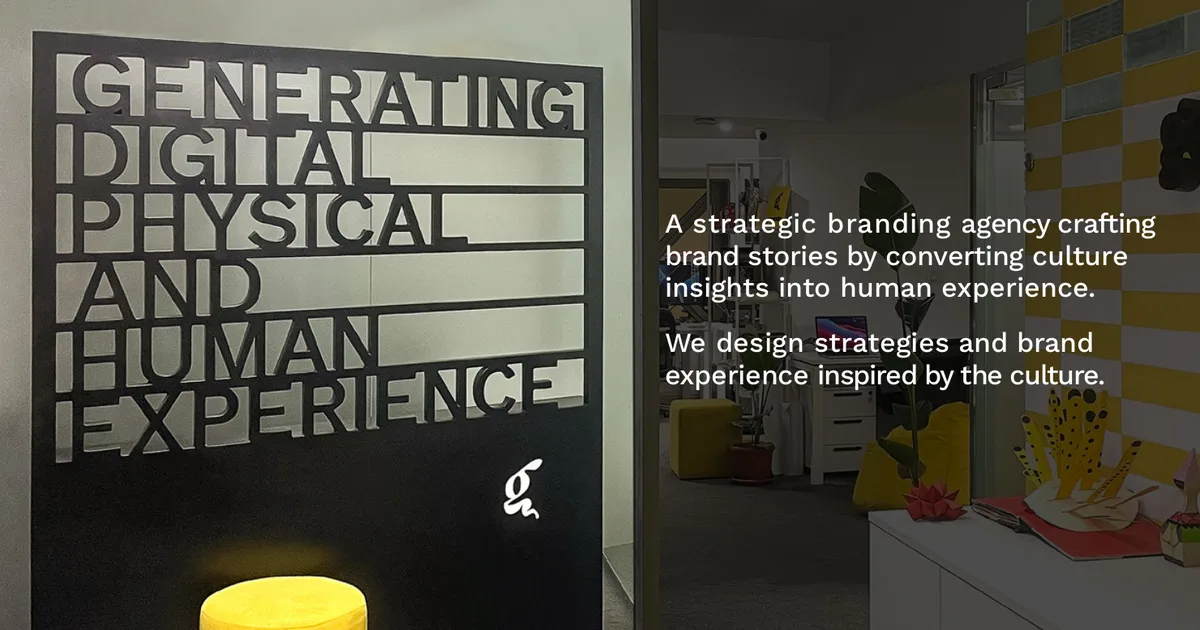
Many consulting projects fail in the handover. A consultancy delivers a strategy deck, a separate agency interprets it, and the idea gets diluted along the way. We keep both under one roof on purpose.
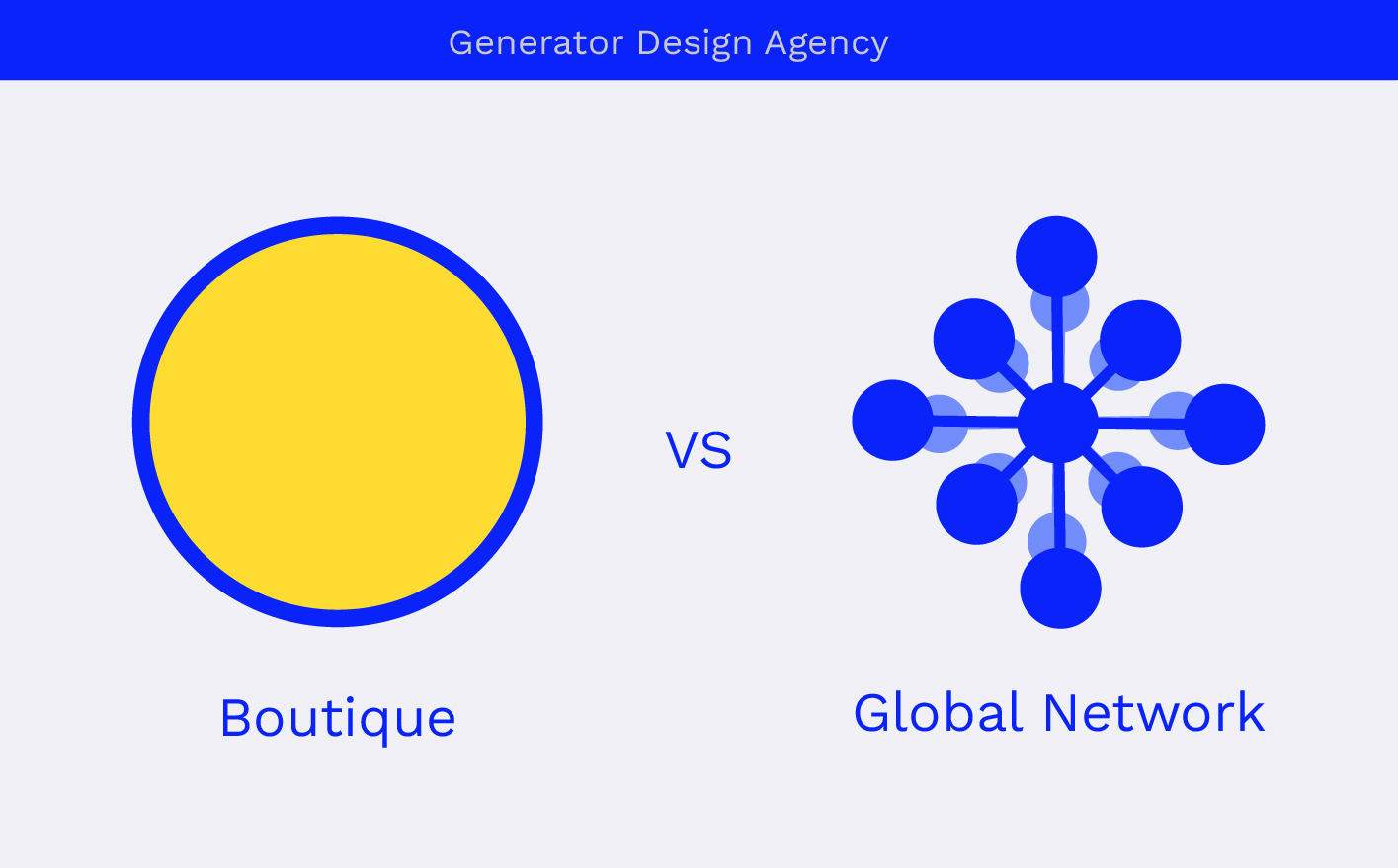
Generator has worked this way since 2018, led by our founder and creative director, Mohamed Nabil, whose background in fine arts and Arabic typography means the strategic and visual sides were never separate for us. The people who run your workshops are the same people who shape your identity, your website and app and your guidelines. You can read more about the studio on our about page, or see why that matters in boutique agency vs. global network.
Common questions
What is the difference between a brand consultant and a branding agency?
A brand consultant decides what the brand should stand for and how it should be structured. A branding agency turns those decisions into a name, an identity and touchpoints. Some studios do both, which saves the strategy from getting lost in the handover.
What does a brand consulting engagement deliver?
Usually a brand audit, research findings, a positioning statement, brand architecture if you have more than one brand, a messaging framework and a practical roadmap. It should be something your team can act on, not a document that sits in a drawer.
Do I need consulting if I only want a new logo?
Not always. If your positioning is clear and still true, you may only need design. But if you can't say in one sentence why customers should choose you, a new logo won't fix that.
How long does brand consulting take?
A focused audit and positioning sprint can take a few weeks. A full engagement with research, architecture and messaging takes longer, mainly because of interviews and approvals. We agree a phased timeline after the first conversation.
Can a Cairo-based consultant work with Saudi companies?
Yes. More than 90% of Generator's projects are for Saudi brands and organisations. What matters is Saudi market knowledge, Arabic and English capability and a reliable working process, not the office address.
Can you say in one sentence why customers should choose you?
If not, that's where we start. Generator helps companies in Egypt and Saudi Arabia find a clear position, then builds the brand around it. It would be a pleasure to hear what you're working on.
Explore branding and positioning Start a conversationGenerator Design Agency · Cairo, Egypt · Working across Egypt & Saudi Arabia · See more work · Our services