"Guests forget the thread count. They remember how the place made them feel."
Nobody checks out of a hotel quoting the room size. They talk about the drive up the hill, the smell of the lobby, the way the waiter remembered their name on the second night. Hospitality is judged in dozens of small moments, many of them before the booking and long after the bill.
That's what makes the work of a hospitality branding agency in Egypt different from branding a product. The logo and the palette still matter, but the real job is deciding what the stay or the meal should feel like, and then making sure every sign, menu, uniform, email and room key says the same thing. At Generator, we treat hotels, resorts, restaurants and cafés as experiences first and identities second, because that's how guests meet them.
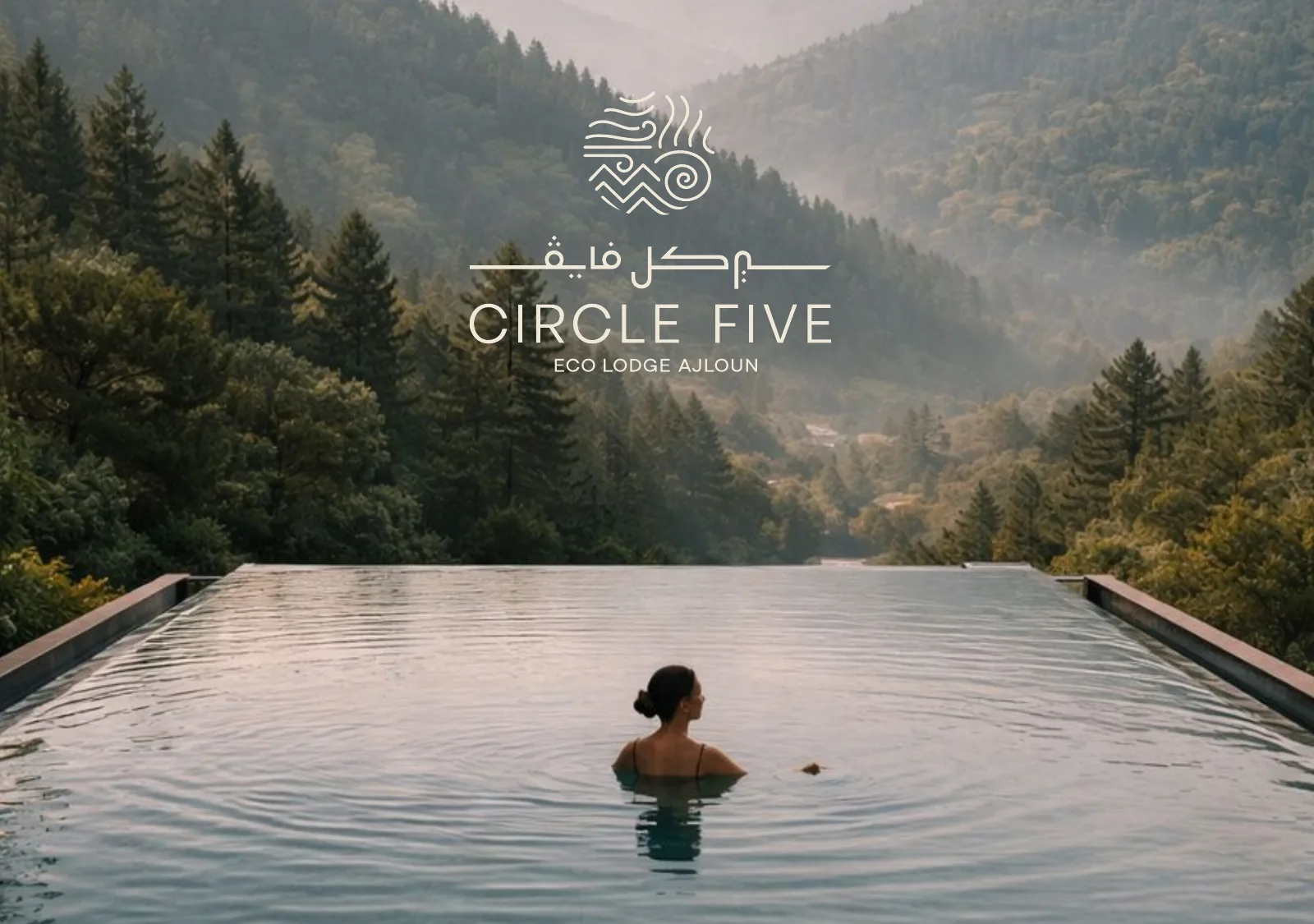
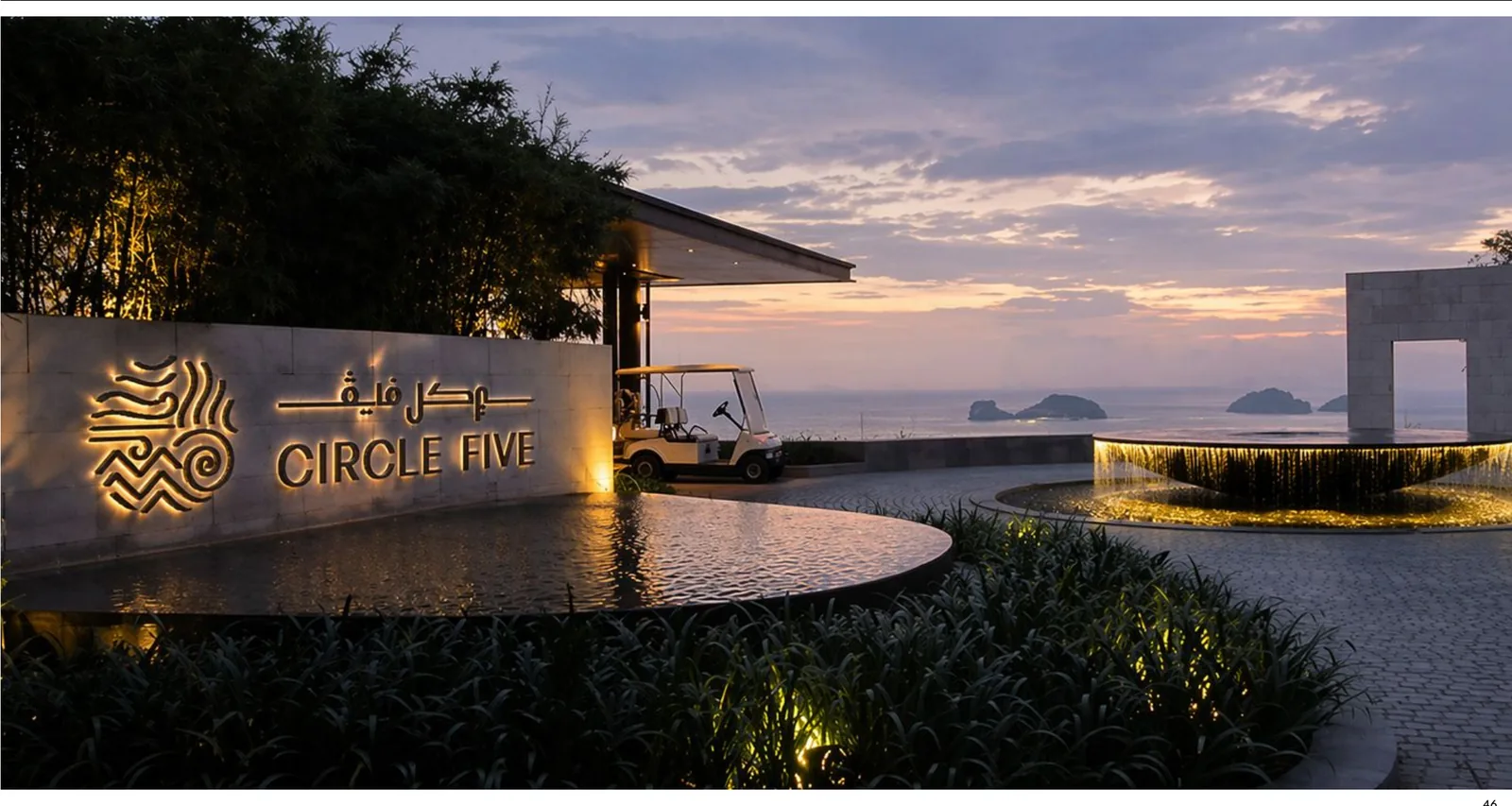
Circle Five, Ajloun, Jordan: an eco-luxury lodge named, branded and designed online by Generator Design Agency.
Hospitality branding is about more than appearance
Hospitality is a visual business. Hotels spend fortunes on architecture, restaurants on interiors, resorts on photography. So it's tempting to think the brand is the look. It isn't, or at least not only.
Picture two boutique hotels on the same street in Zamalek, with similar rooms, similar prices and equally good photos. One gets recommended at dinner parties. The other becomes another tile on a booking app. The difference usually sits in things you can't photograph: a clear point of view, a service style that matches it, and a consistency guests can feel. That's why brand strategy comes before the moodboard. The question isn't how to look distinctive; it's what makes the stay worth choosing.
What does a hospitality branding agency actually do?
It builds the strategic and creative foundation a hotel, resort, restaurant or café is recognised and experienced through. Depending on the project, that can include:
- Hospitality brand strategy and positioning
- Hotel, resort, restaurant and café naming
- Visual identity and bilingual logo design
- Guest experience strategy and tone of voice
- Menu, packaging and amenity design
- Signage, wayfinding and environmental graphics
- Uniforms, room collateral and stationery
- Hospitality website and booking journey design
- Brand guidelines, rebranding and group brand architecture
Not every business needs the full list. An independent café opening its first branch has a different brief from a hotel group with six properties. A luxury resort needs an identity that ties together architecture, landscape, culture and service; a fast-casual restaurant leans harder on packaging, menus and signage that work at speed. The scope should fit the business, not a standard agency package.
The difference between hospitality branding and hospitality marketing
Marketing fills rooms and tables: seasonal campaigns, promotions, paid ads, social media, booking platforms. Branding decides what all of that is promoting. A resort built around privacy and quiet needs that promise to hold across its photography, its language, its website and its check-in desk. A restaurant built around loud, sociable dinners needs a completely different system.
Without a clear position, marketing falls back on the phrases every competitor uses: exceptional service, unforgettable experiences, premium quality, luxury hospitality. None of them is wrong. None of them is ownable. Sharp brand positioning gives a hospitality business a specific, believable reason to be remembered.
Hotel branding: creating an experience before check-in
A hotel brand starts working long before anyone reaches reception. The first meeting is a search result, a travel app, an Instagram post or a friend's recommendation, and in those few seconds the brand has to say what kind of stay this is. Business travellers? Families? Couples? Long stays? People looking for somewhere with a real sense of place?
Those answers shape everything. A business hotel leans on clarity and efficiency. A boutique hotel on character and personal attention. A luxury property on privacy, architecture or setting. The strongest hotel brands don't try to promise everything equally; they hold one point of view and let the rest follow. The website and the booking journey are part of that, which is why we design them as brand work, not as an IT afterthought.
Resort branding: turning a destination into a brand
With a resort, the destination becomes part of the product. Landscape, climate, architecture, activities and local culture all shape how the property should be positioned. But dropping a few local patterns onto a logo doesn't make a destination brand. Cultural references need a reason to be there; they should deepen the experience, not decorate it.
For resorts in Egypt, Saudi Arabia, Jordan and the UAE, this matters even more, because the same identity has to speak to regional guests and international ones. The challenge is to feel rooted in the place without becoming predictable.
Restaurant and café branding: recognition beyond the logo
Restaurants and cafés are remembered through details: the menu, the cup, the bag, the sign over the door, the photos on the delivery app, the words on the receipt. A restaurant identity has to work across all of them without repeating itself. Good packaging stays recognisable even when the logo is small. Social content should feel like the room. A menu should be easy to read before it's beautiful.
That's why a complete brand identity system is worth more than a logo on its own. It gives the brand consistency and still lets it flex from a coffee sleeve to a shopfront.
Guest experience is part of the brand
A hotel can promise calm sophistication in its identity, but the promise falls apart if the booking flow is confusing or the welcome email sounds like a template. A restaurant can talk about warmth and community, and lose it at a cold front desk. Branding can't replace good service. What it can do is give the whole team a clear direction for how the business should look, sound and behave, across:
- Booking confirmations and welcome messages
- Arrival, signage and wayfinding
- Room collateral, key cards and amenities
- Menus and packaging
- Uniforms and staff-facing brand principles
- Post-stay communication
The aim isn't to script every conversation. It's to make sure the whole experience points the same way. This is the work our brand experience team does day to day.
Hospitality branding in practice: Circle Five, an eco-luxury lodge in Jordan
Circle Five is an eco-luxury lodge in the forests of Ajloun, in northern Jordan: 28 private chalets, a spa, a restaurant and café, and days built around hiking, stargazing and doing very little. The brand had to feel like the place, quiet, natural and confident, and hold up everywhere from a signpost in the forest to a booking screen on the other side of the world. We created the name, the full brand identity and the UI/UX for the website.
Naming: five elements in one circle
The name came first. The lodge is about balance with nature, so we built the name on the five elements, earth, water, air, fire and space, held together in a circle, a symbol of balance and the cycles of life. Circle Five says it in two words that work for Arabic and English speaking guests alike.
The identity grows straight out of the name. The symbol draws each element as its own flowing line, from the grounded strokes of earth to the rising curves of fire, and holds them together in a single circle. The line that runs through the guidelines says it best: "One flow. Five elements. Infinite connection." The full signature pairs the symbol with an Arabic logotype, the English name and the descriptor "Eco Lodge Ajloun", so the brand reads naturally in both languages.
The Circle Five symbol: five elements, each drawn as its own line, held in one circle.
Circle Five in motion: each element, its colour and its feeling, resolving into the bilingual logo.
A palette and voice taken from the landscape
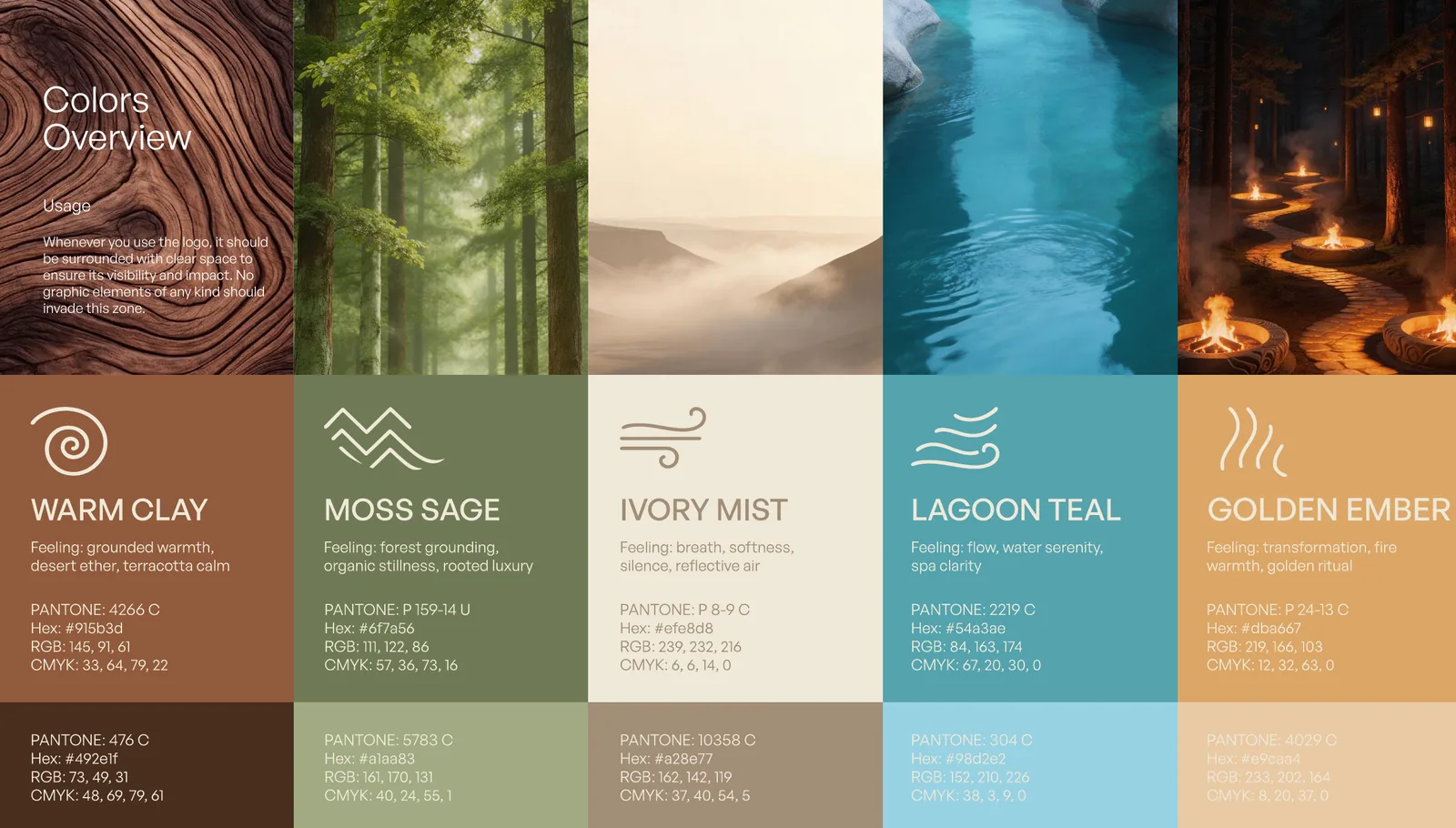
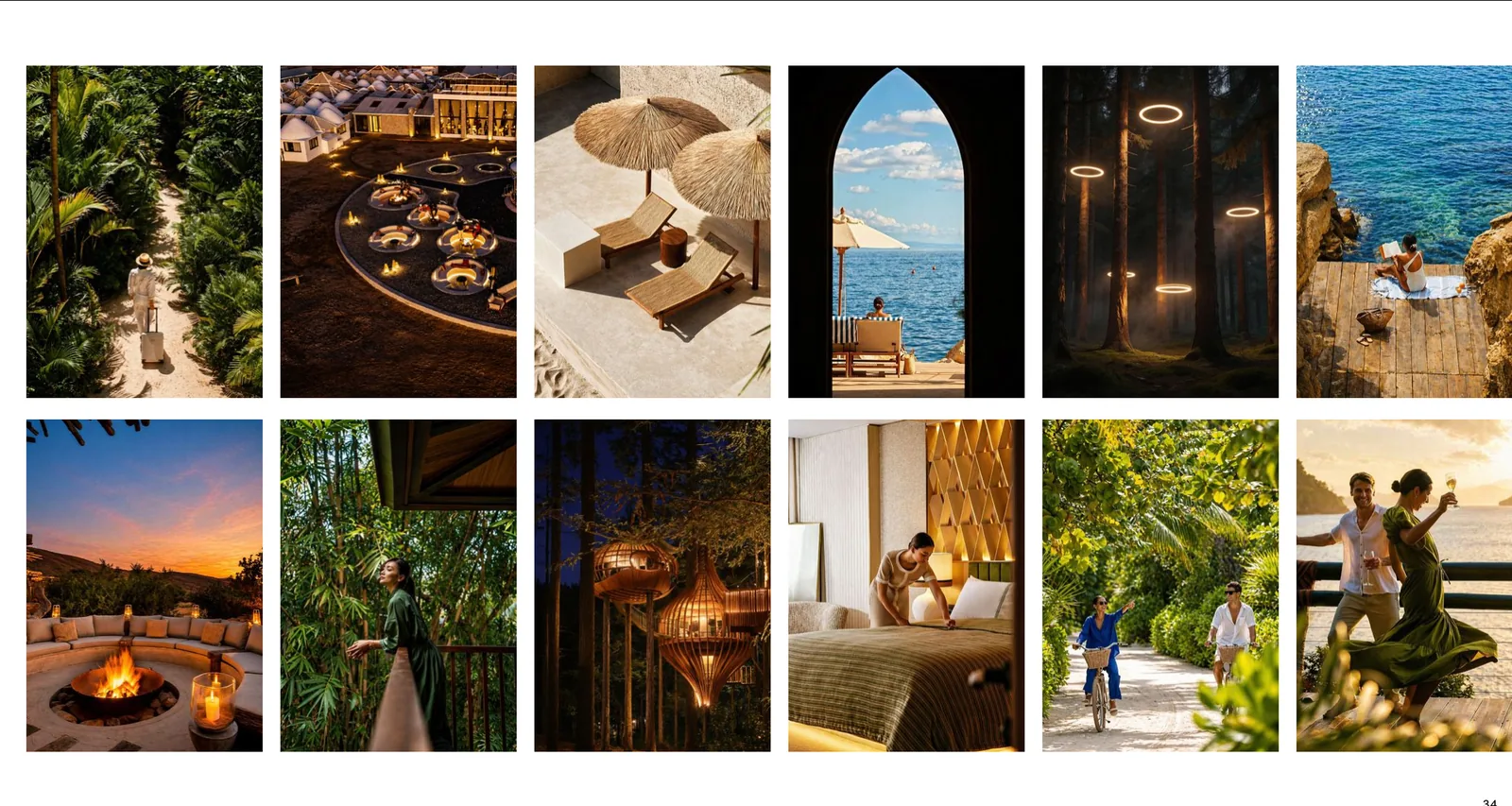
Each element has its own colour: Warm Clay, Moss Sage, Ivory Mist, Lagoon Teal and Golden Ember. The photography direction stays atmospheric and honest, with real light, real materials and no glossy stock shots. The tone of voice follows the same rule: warm, refined, calm, sensory and intentional. Nothing loud, nothing unnecessary.
From the entrance sign to the olive oil bottle
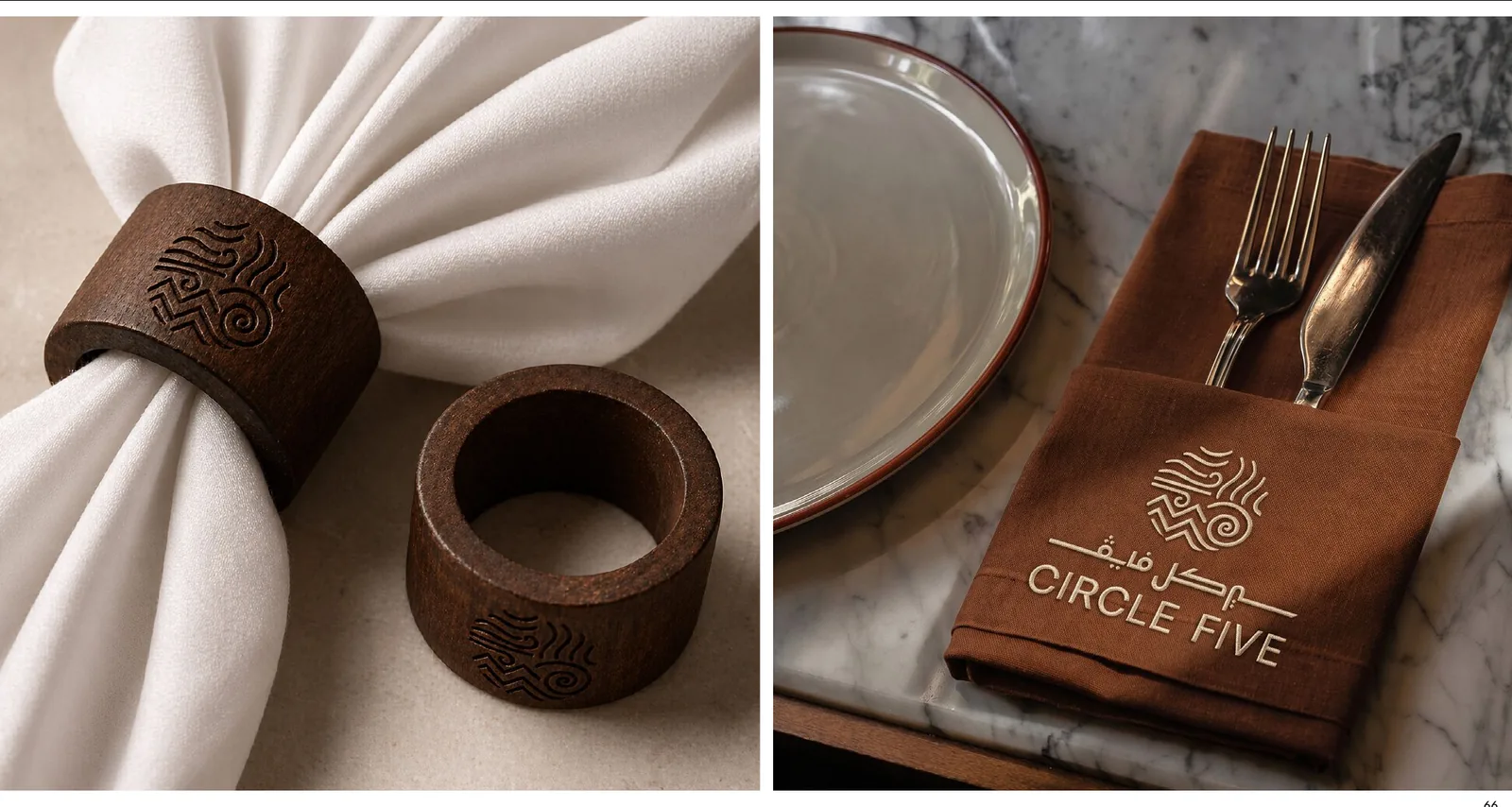
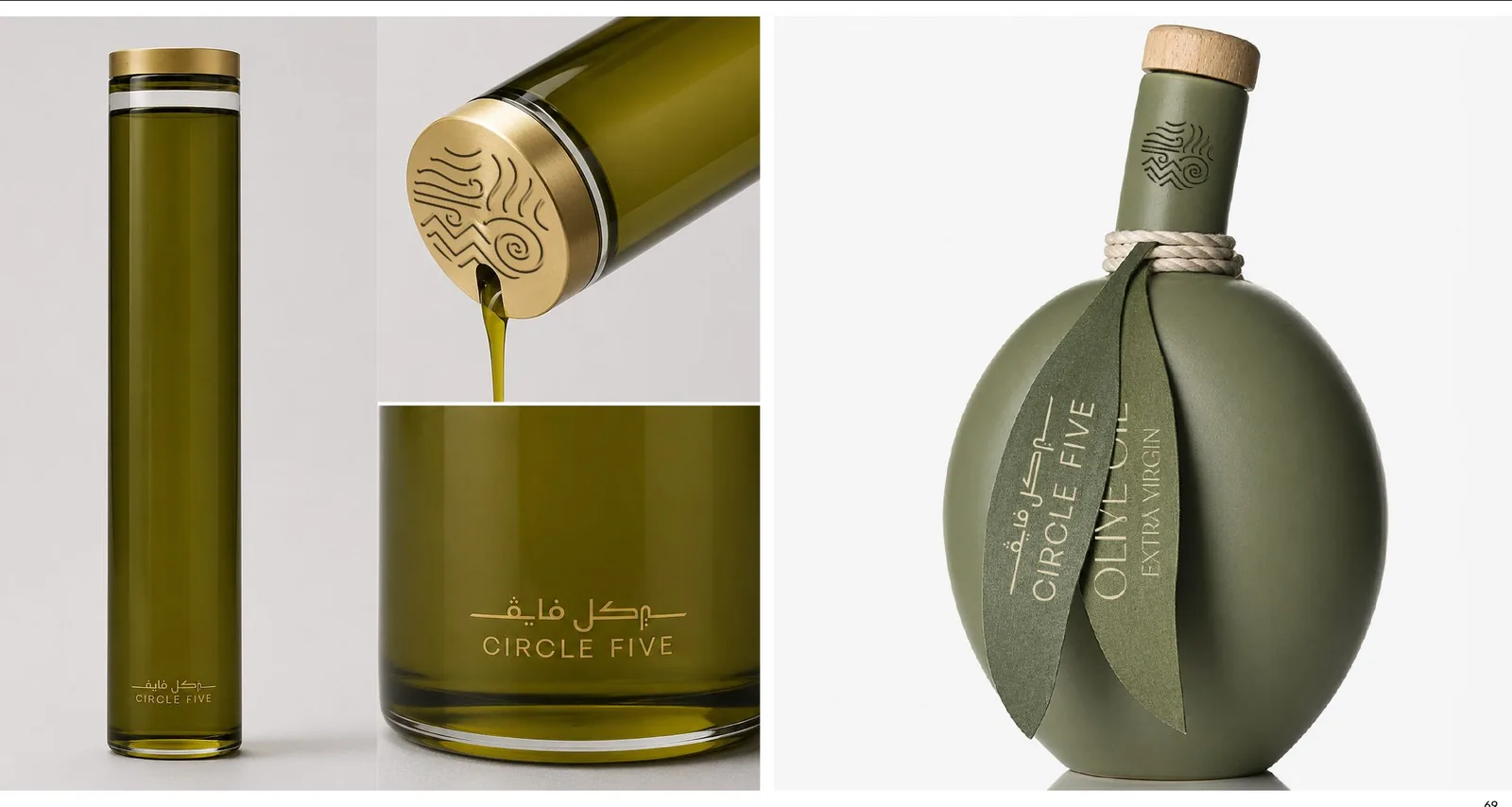
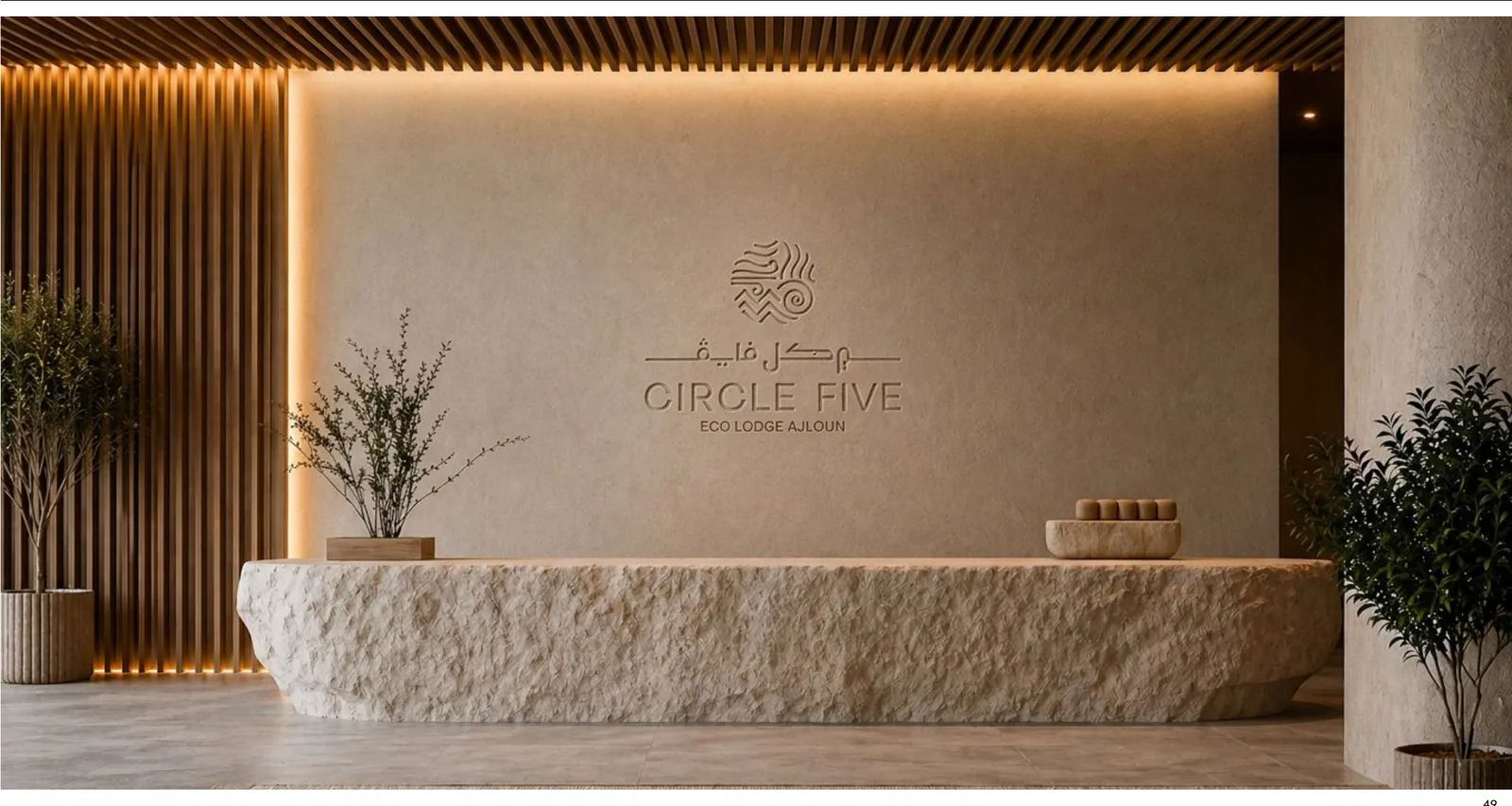
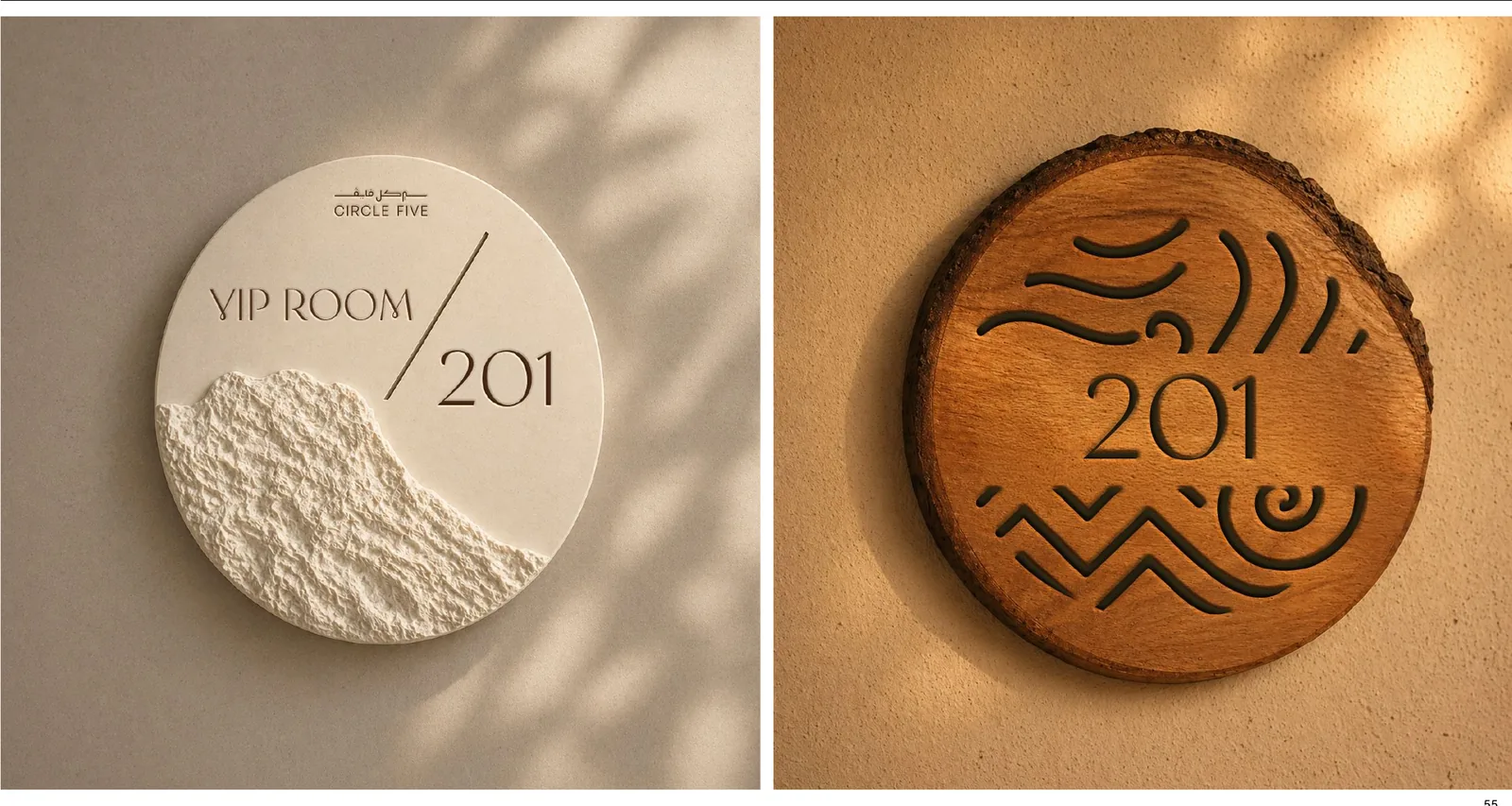
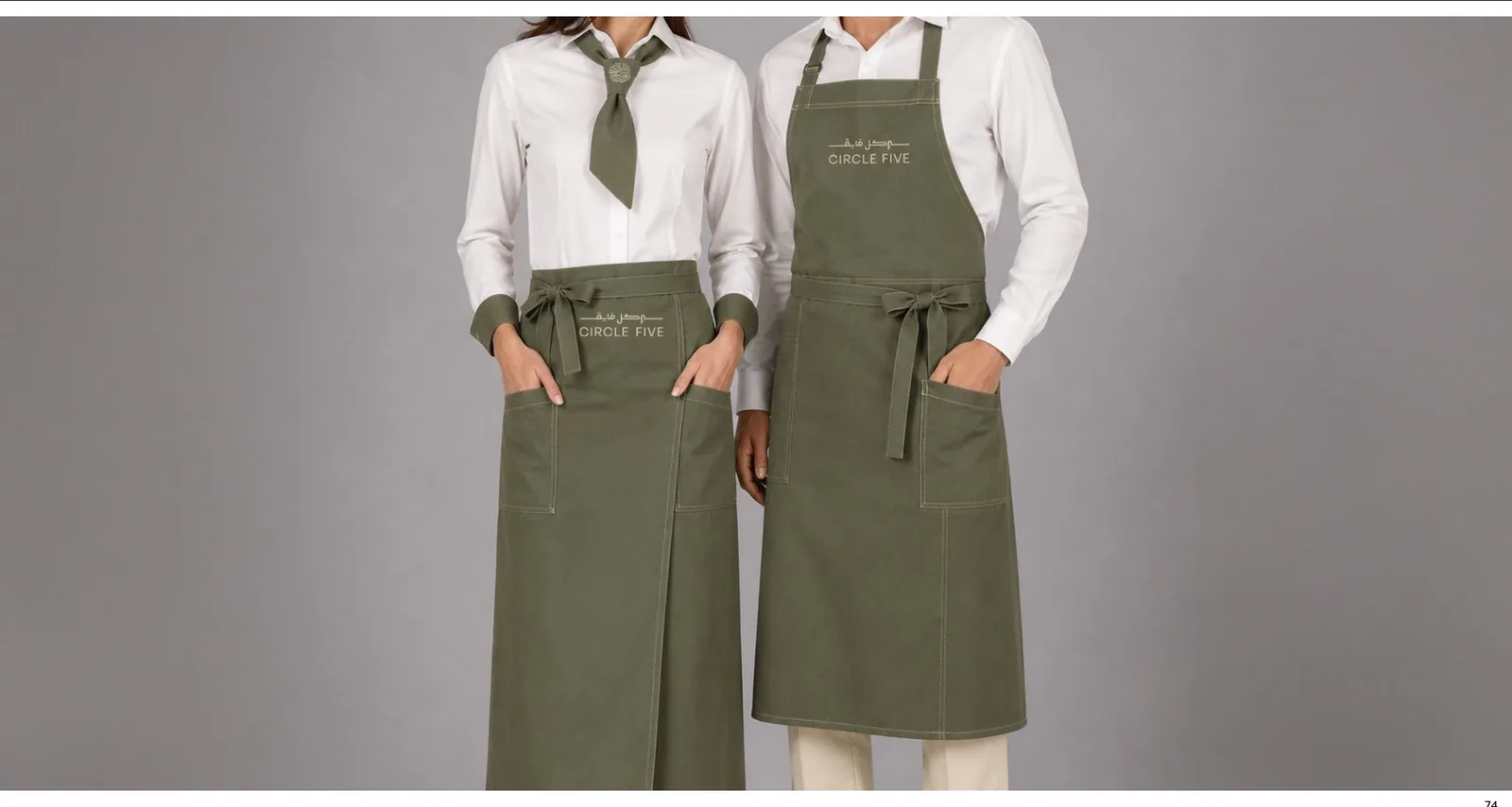
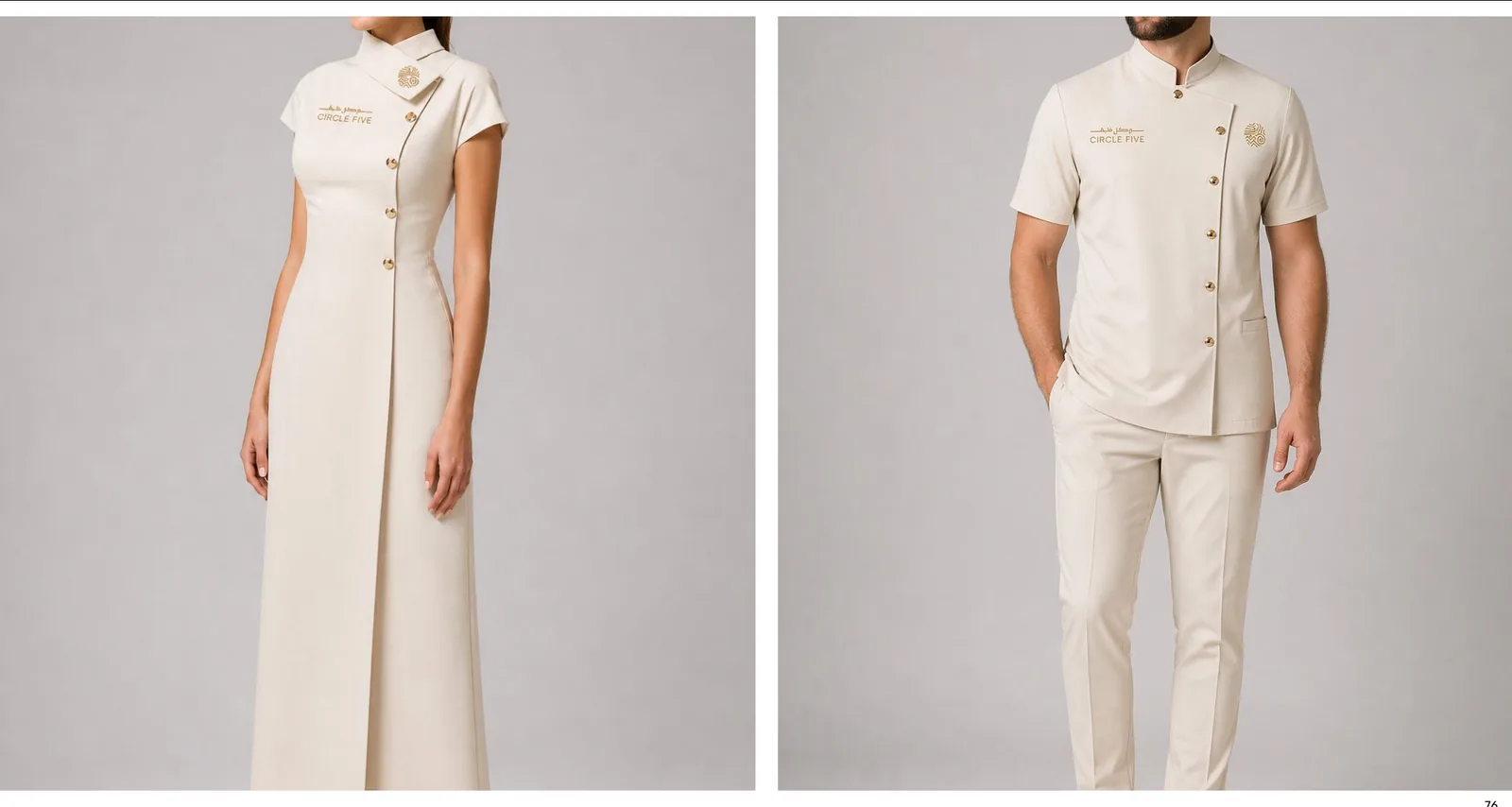
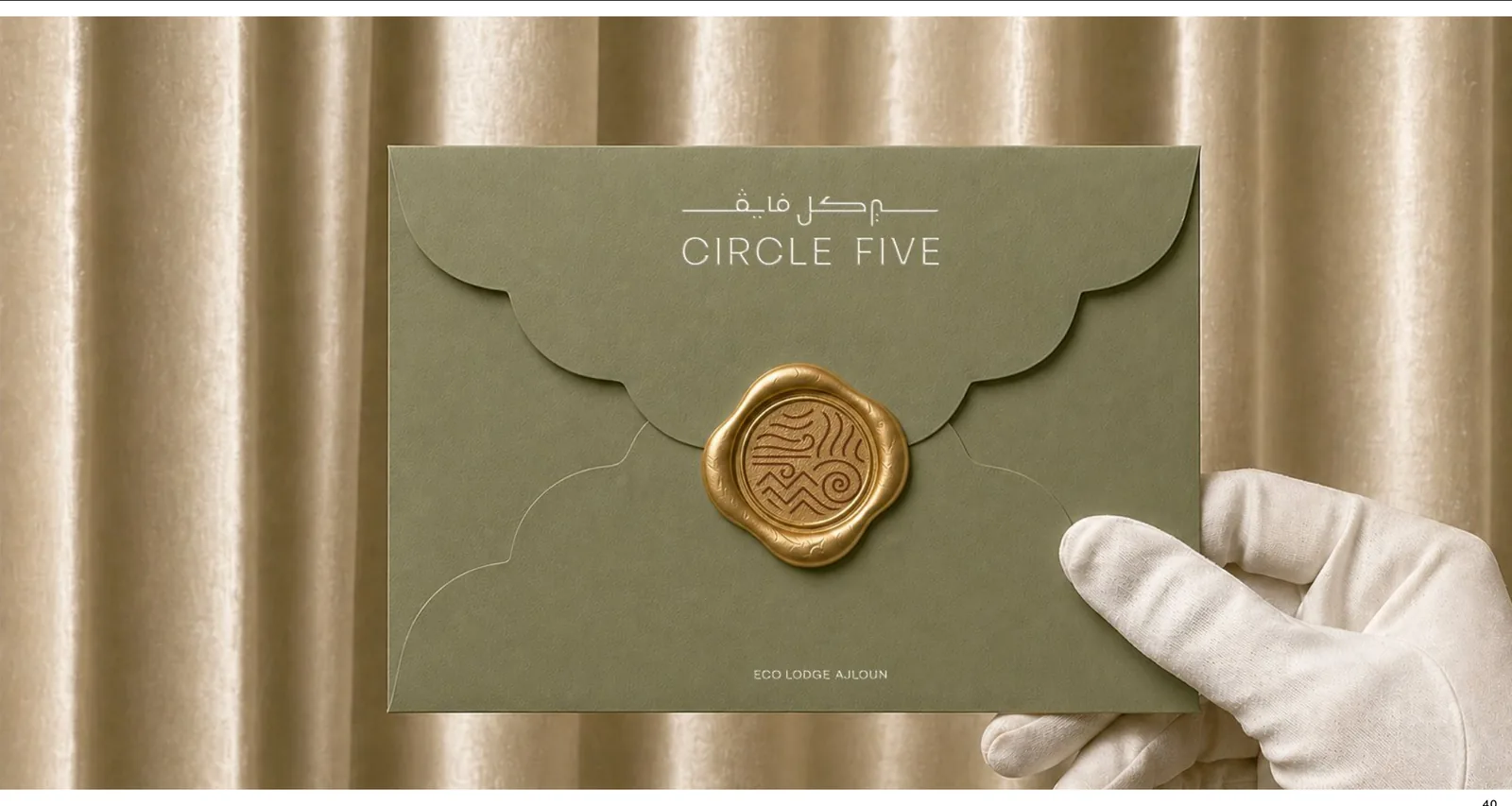
The identity was designed to live across the whole stay: the illuminated entrance sign, reception and spa signage, carved room numbers, key cards, staff uniforms for reception, restaurant and spa, restaurant tableware, stationery sealed with wax, and a range of local products such as olive oil, labneh and za'atar packaged under the brand. The brand guidelines cover dozens of applications, so the hotel team and its suppliers can keep it consistent long after launch.
UI/UX: a website built around the booking
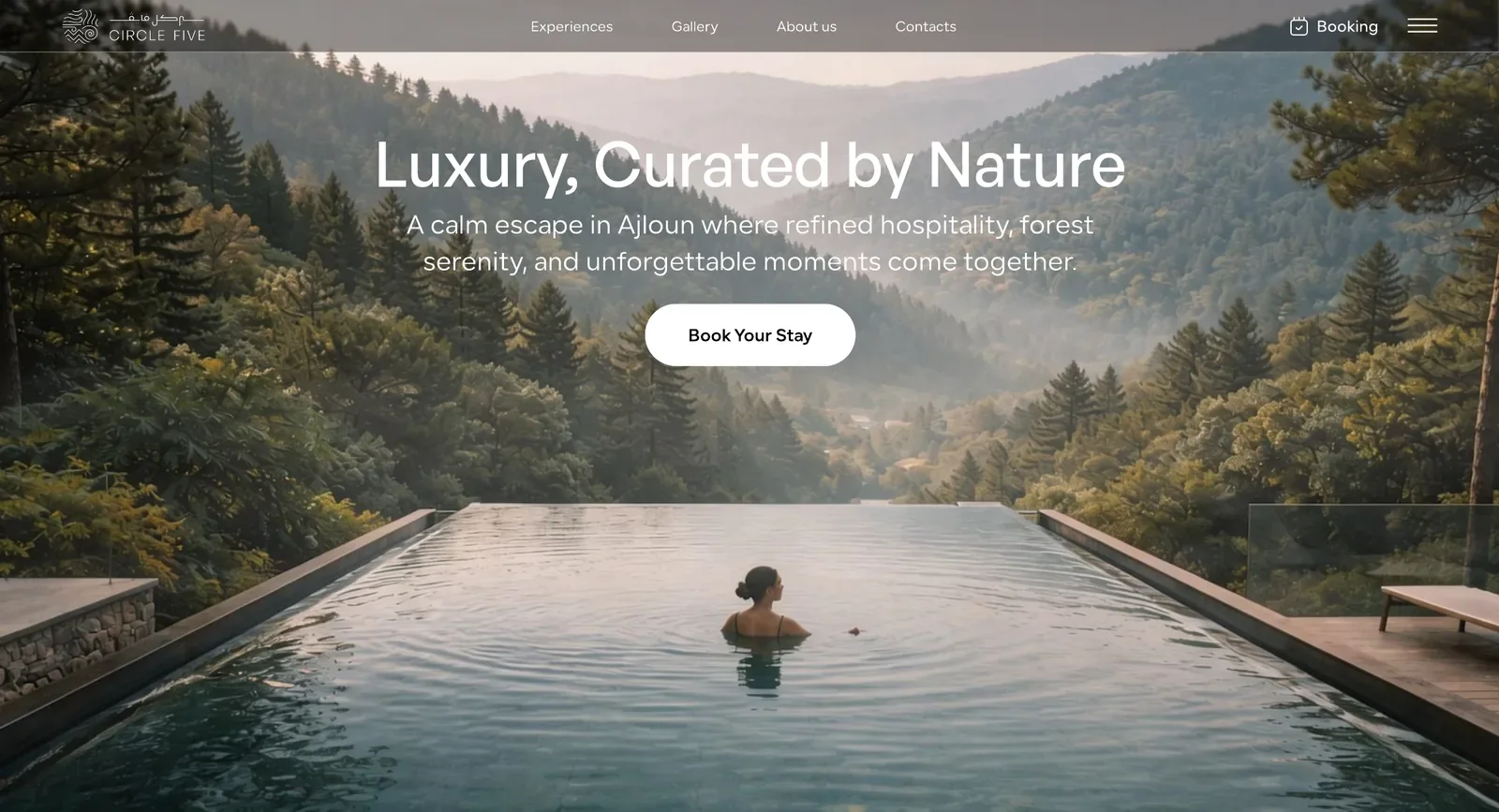
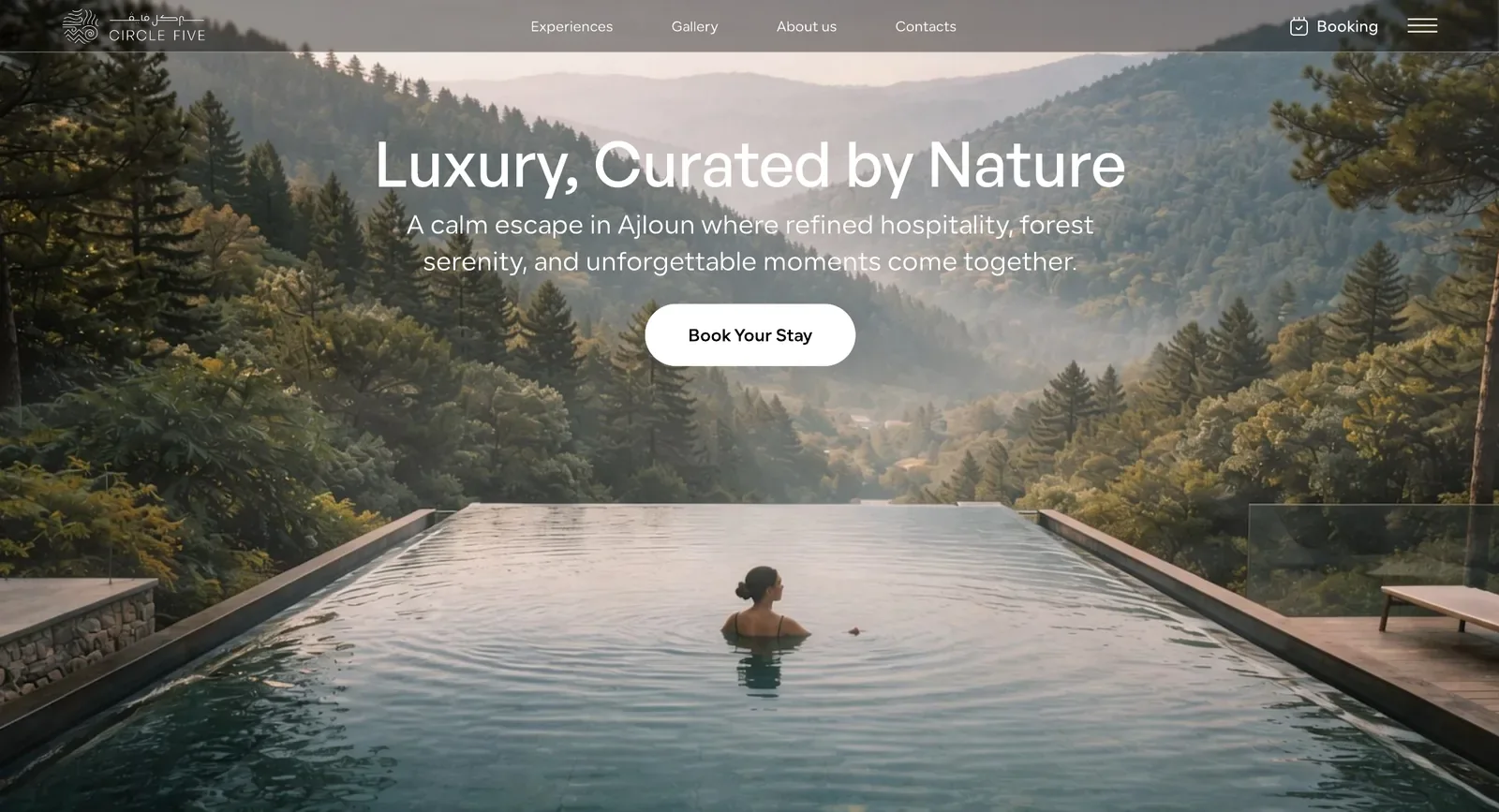
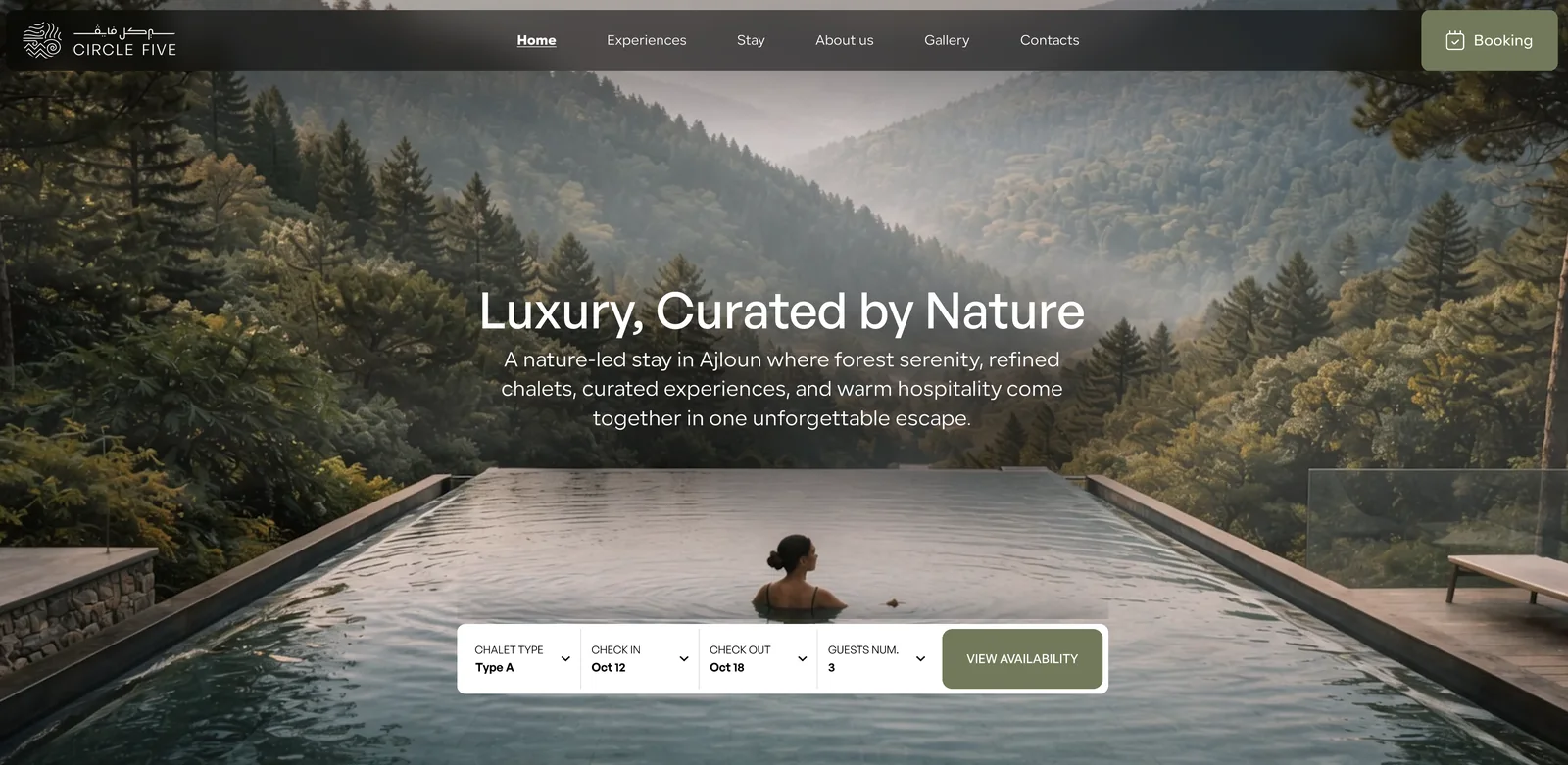
We designed the UI/UX for the Circle Five website, from the sitemap to the screens. The homepage puts the booking bar straight onto the hero image, so guests can pick a chalet type, dates and the number of guests without scrolling.
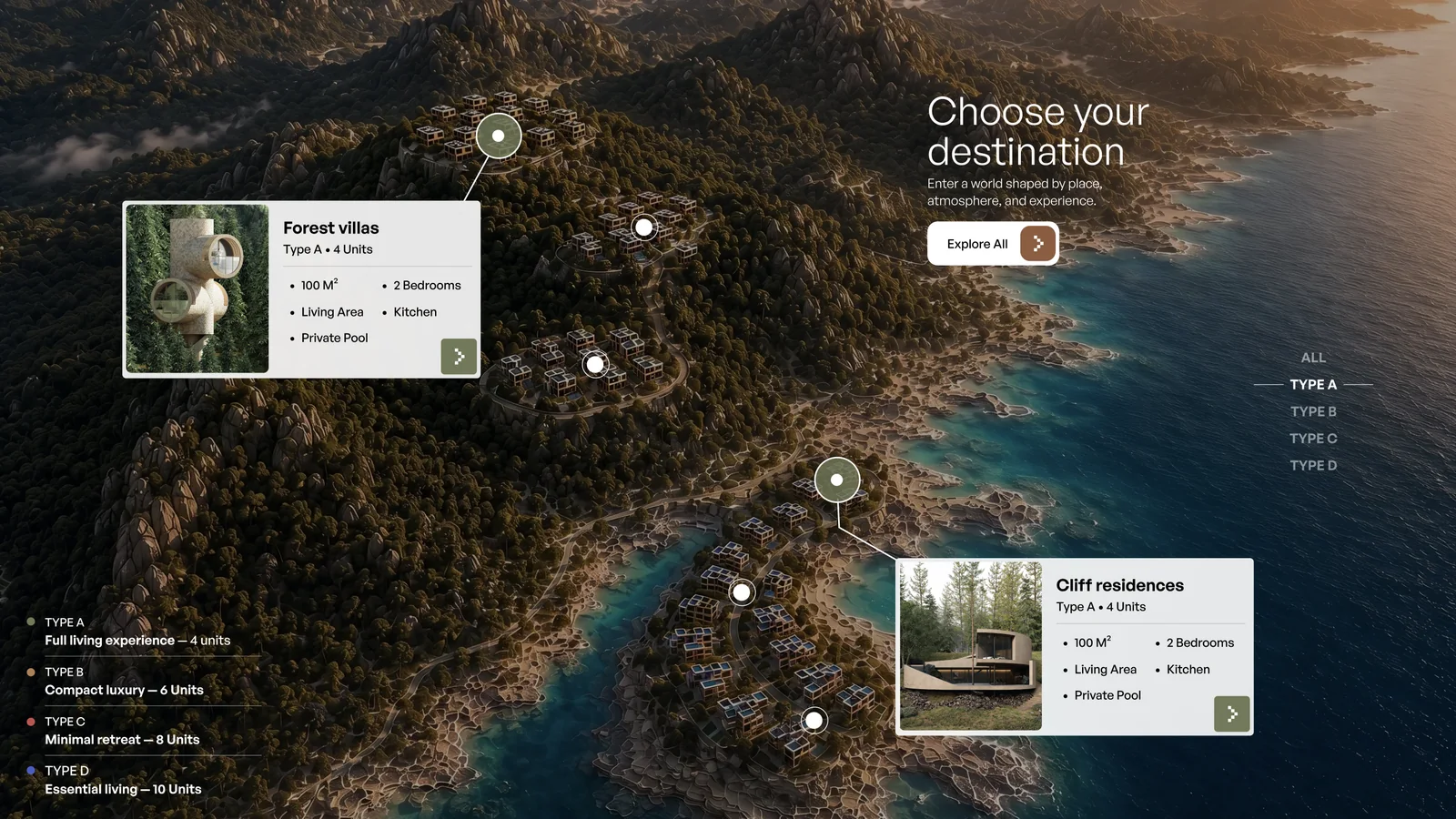
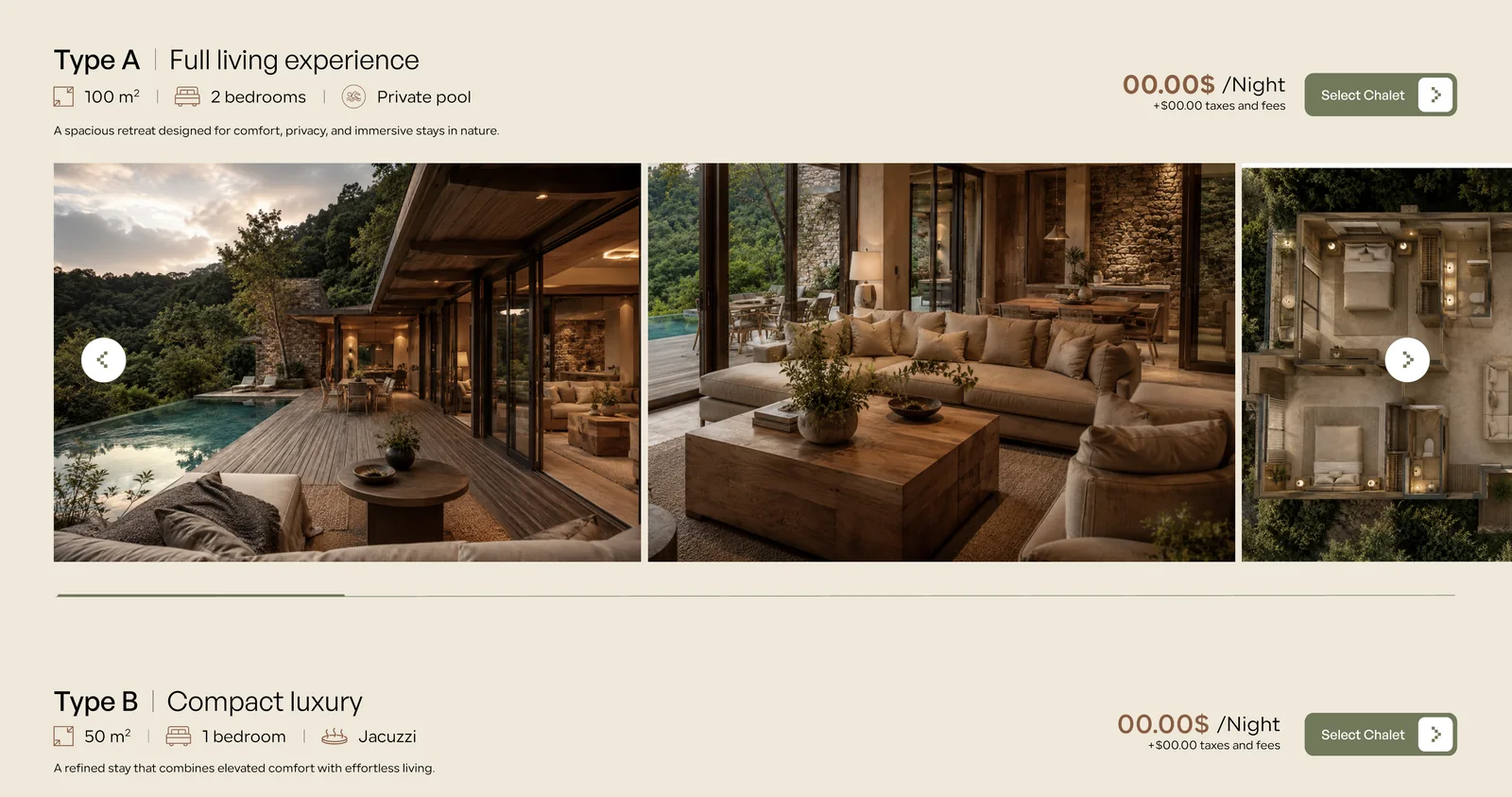
An interactive map lets guests explore the lodge before they choose, with the 28 chalets grouped into four types: Type A, the full living experience with a private pool; Type B, compact luxury with a jacuzzi; Type C, a minimal retreat; and Type D, essential living. Each type has its own page with photos, floor plans and key details.
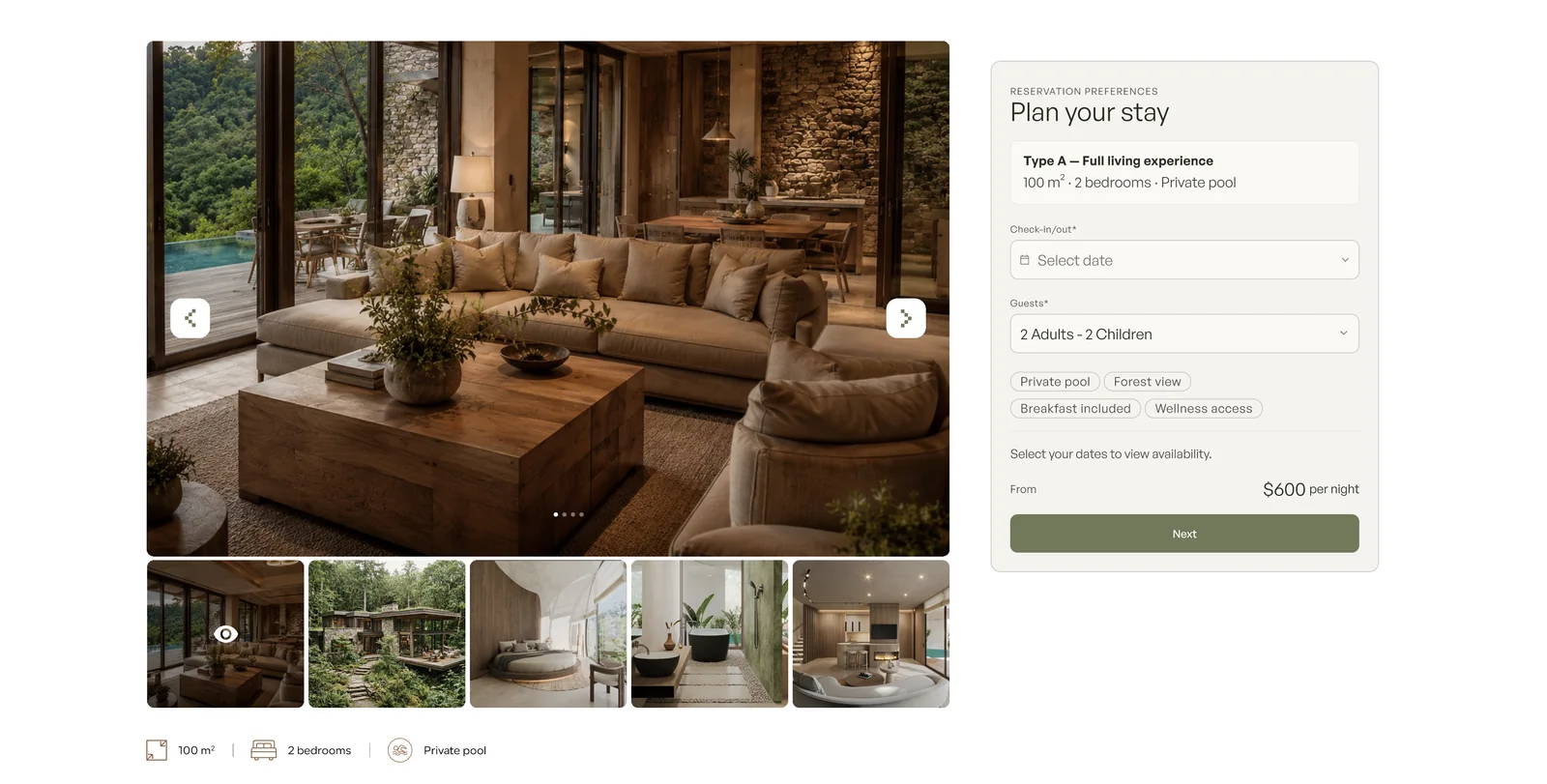
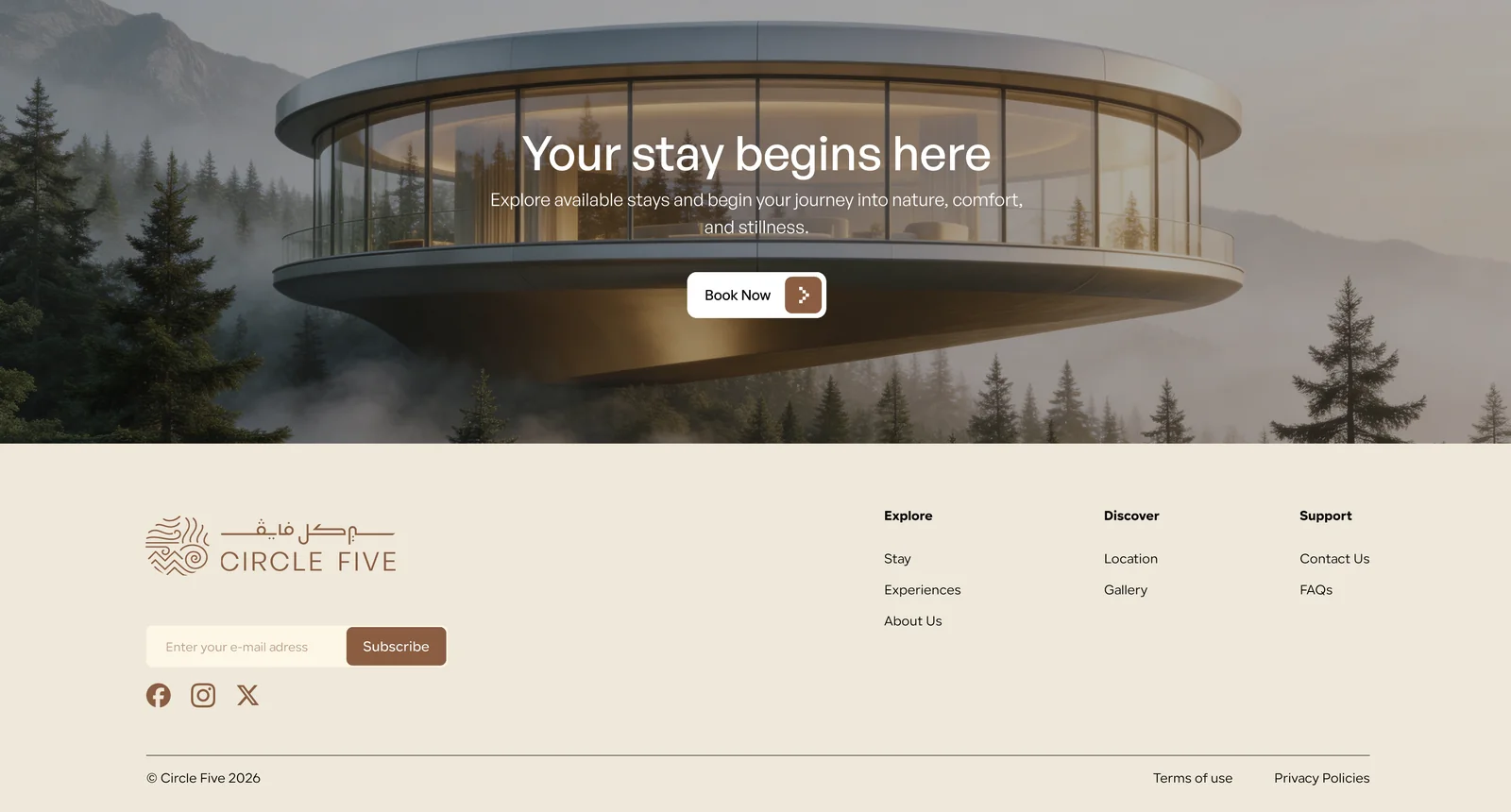
The booking flow keeps the same calm tone from first click to confirmation: a gallery on one side, a simple "Plan your stay" panel on the other, then add-ons such as spa and dining, guest details and payment. Even the closing banner, "Your stay begins here", is written in the brand voice.
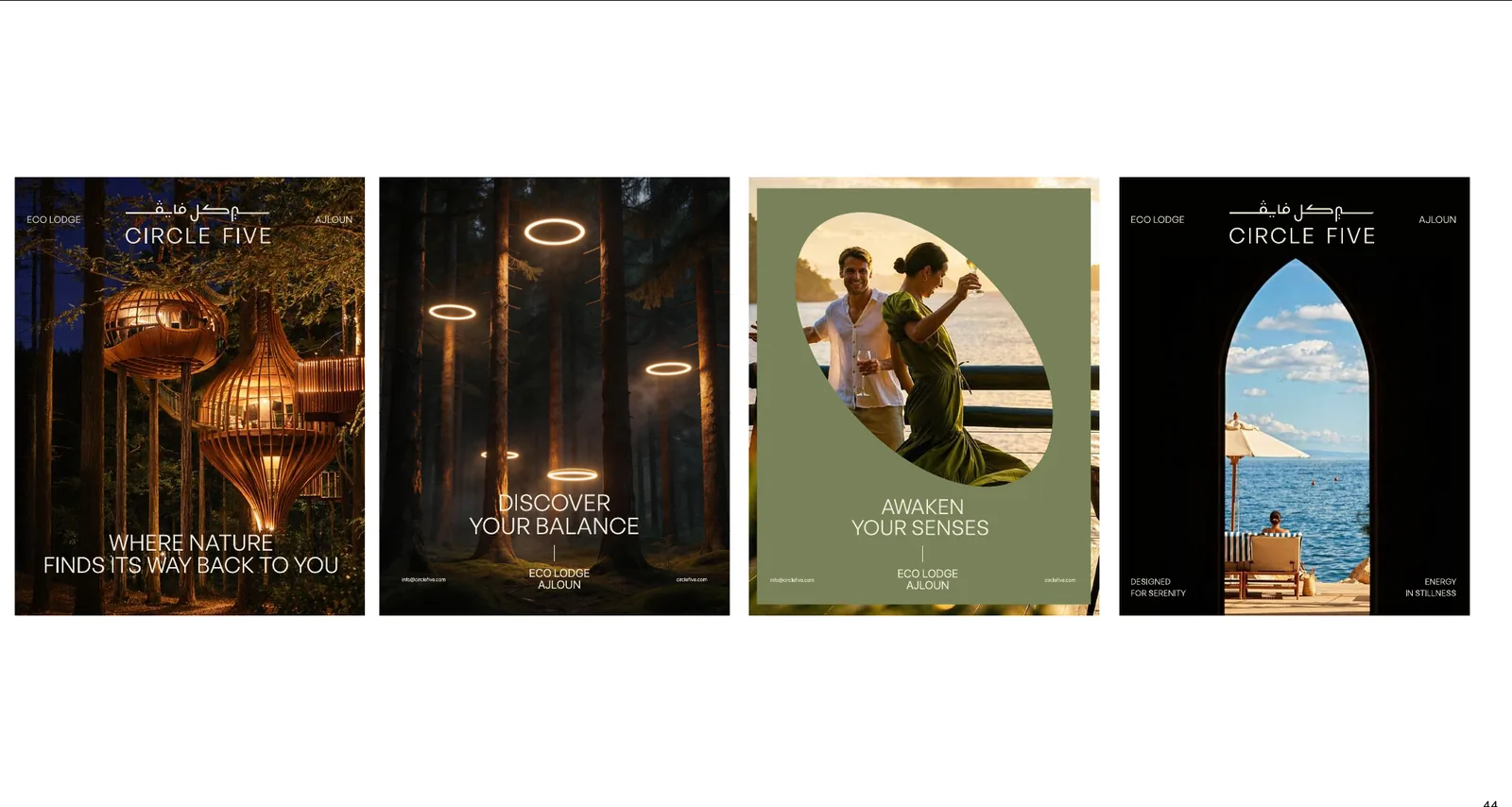
Social media templates carry the same language into Instagram, so the feed feels like the forest, not an advert.
Café and dessert brands: Donut Time, ICICLES and 5 Senses
Not all hospitality is a hotel. A lot of it happens over a counter, on a high street.
Donut Time is a family-friendly donut and coffee café in Saudi Arabia. We built the brand around a smile, through strategy, identity, illustration, packaging, interiors and guidelines, and the idea carries from the box to the neon sign in store. We tell the full story in our article on rebranding Donut Time.
ICICLES is a premium ice cream brand in Saudi Arabia, with an identity that runs through its typography, packaging, cups, store signage and staff uniforms.
5 Senses Café is built around the senses themselves, taste, aroma, texture, sight and sound, with a visual language that works across cups, bags, menus, signage and motion. You can see more in our food and drink portfolio.
Hospitality branding for Egypt, Saudi Arabia, Jordan and the UAE
A brand designed for a boutique property in Cairo may need adjusting for Riyadh, Amman or Dubai. That doesn't mean starting again. It means knowing which parts stay fixed and which parts of the voice or the experience should reflect the local market.
Arabic and English sit at the centre of this. Signs, menus, room information, websites and booking emails all have to work in both scripts, and the Arabic should be designed with the same care as the English, not added in the last week. Circle Five's entrance sign is a good example: the Arabic logotype and the English name share one line, one weight and one light. Our article on Arabic logo design and bilingual identity goes deeper.
Hospitality group branding and brand architecture
As hospitality businesses grow, the questions change. A group might run several restaurants, a café chain and a hotel. Should every property have its own identity? Should the parent company be visible to guests? How do the brands relate? A portfolio of independent restaurant concepts may do best with distinct identities. A hotel group may lead with one corporate brand and let each property show its own character. Clear brand architecture keeps guests from getting confused and makes the next opening faster. We cover how groups handle this in our piece on building one identity across a growing business.
When should a hotel or restaurant consider rebranding?
Not every hospitality business needs a new identity. Sometimes the brand is fine and just needs to be applied properly. But there are clear moments when hospitality rebranding makes sense:
- A restaurant has grown from one branch to several.
- A hotel has been renovated and repositioned.
- A resort is chasing a different audience.
- A group has acquired properties with their own brands.
- The brand no longer matches the quality guests actually get.
Guests already recognise something about you, so a good rebrand starts by deciding what to keep. Our guide to working with a rebranding agency walks through the process, and rebranding in Egypt covers what to look for locally.
How to choose a hospitality branding agency in Egypt
A hospitality portfolio helps, but beautiful mockups aren't enough. Before you choose, ask:
- Does the agency start with research and positioning?
- Can it connect brand strategy to the guest experience?
- Does it design for physical spaces as well as screens?
- Can it build Arabic and English identity systems?
- Has it branded real hotels, restaurants or cafés?
- Can it handle several properties under one architecture?
- Will it give your team guidelines they can actually use?
The right partner treats hospitality branding as a business problem and an experience-design problem at the same time. For a wider framework, see our shortlist of branding agencies in Egypt and our guide to matching your brand problem to the right partner.
How much does hospitality branding cost in Egypt?
There's no standard price. A single restaurant identity is a different job from a full hotel brand with research, naming, positioning, identity, signage, uniforms, a website and guidelines. A group with several properties adds brand architecture and more implementation. The number of touchpoints, languages and deliverables all move the cost. When you compare proposals, don't count logo options or mockups; ask which one will give you a brand your team can run every day.
When Generator Design Agency is the right hospitality branding partner
If you only need promotional graphics, a design or marketing team will serve you well. If the goal right now is more bookings through paid ads, talk to a performance marketing specialist.
We're the right call when the challenge is the brand itself: a new hotel or resort concept that needs a position, a restaurant or café that needs a distinctive identity, an established property that needs rebranding, a group that's expanding, or a stay where strategy, identity, communication and experience have to work as one. Our branding services are built for that, and you can see the range in our portfolio.
Common questions
What does a hospitality branding agency do?
A hospitality branding agency develops the strategy, positioning, naming, visual identity, messaging and guest experience of hotels, resorts, restaurants, cafés and hospitality groups.
What is the difference between hotel branding and hotel marketing?
Hotel branding defines the property's identity, positioning, personality and guest promise. Hotel marketing promotes that promise through advertising, content, campaigns and booking platforms.
Why is branding important for restaurants and cafés?
Branding helps restaurants and cafés build recognition, explain their concept and stay consistent across menus, packaging, signage, interiors, delivery apps and social media.
Can a hospitality brand work in Arabic and English?
Yes. A bilingual hospitality identity covers Arabic and English typography, logo lockups, menus, signage, websites and guest communication, designed together so both languages feel like one brand.
When should a hotel or restaurant rebrand?
Common triggers are expansion to new branches, a renovation or repositioning, a new target audience, acquisitions, or a brand that no longer matches the quality of the experience. A good rebrand keeps what guests already recognise.
How much does hospitality branding cost in Egypt?
Costs depend on scope, from a focused restaurant identity to a full hotel or group programme with strategy, naming, architecture, design, signage, digital experience and guidelines.
Does Generator Design Agency have hospitality branding experience?
Yes. Our hospitality work includes Circle Five, an eco-luxury lodge in Ajloun, Jordan, where we created the name, the full brand identity and the website UI/UX, and café and dessert brands in Saudi Arabia such as Donut Time and ICICLES, along with 5 Senses Café, covering strategy, identity, packaging, signage, uniforms, digital and guidelines.
Opening, repositioning or rebranding a hospitality brand?
Tell us about your hotel, resort, restaurant or café, and we'll tell you honestly what kind of branding work it needs. Generator works with hospitality brands in Egypt, Saudi Arabia, Jordan, the UAE and across MENA.
Explore our work Start a conversationGenerator Design Agency · Cairo, Egypt · Working across Egypt, Saudi Arabia, the UAE & MENA · See more work · Our services