Types of Branding: A Complete Guide for Modern Businesses

Types of Branding: A Complete Guide for Modern Businesses

We are living in a world of branding.

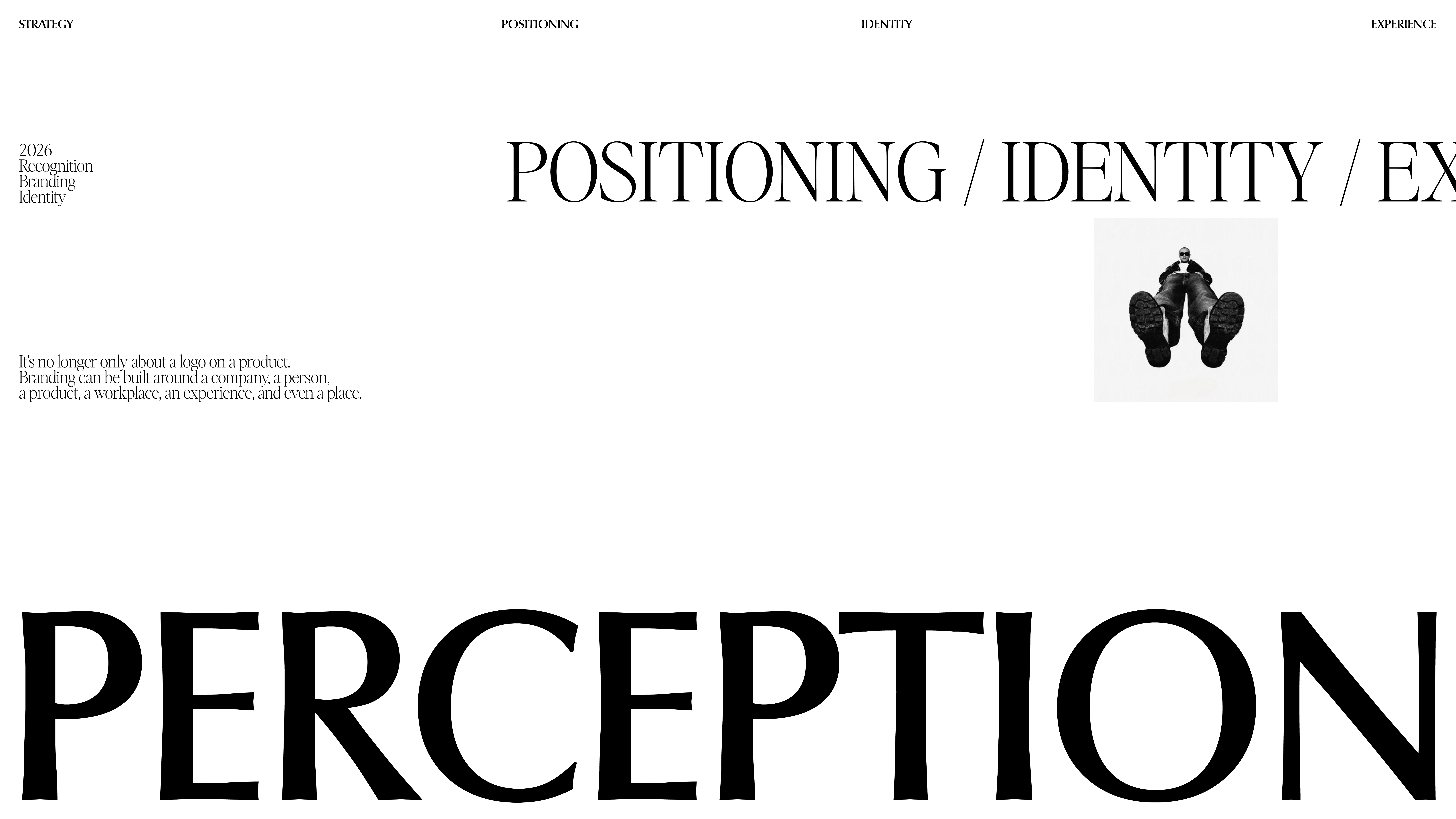
It’s no longer only about a logo on a product. Branding can be built around a company, a person, a product, a workplace, an experience, and even a place.

Different subjects. Different audiences. Different types of branding.

But they all have one thing in common: shaping perception.

So, what are the main types of branding, and when does each one matter?

Corporate Branding

Corporate branding is about building the perception of the business as a whole, rather than focusing on one individual product or service.

Think about what comes to mind when you hear the name of a company.

-What does it stand for?
-What makes it different?
-How does it speak?
-How does it look?
-And most importantly, why should people choose it?

Corporate branding brings these answers together into one consistent brand.

It can include:

-Brand strategy

-Brand positioning

-Brand identity and logo design

-Brand messaging and tone of voice

-Brand guidelines and systems

Among the different types of branding, corporate branding usually acts as the foundation that keeps the business aligned.

The goal is not simply to make the company look consistent. It is to make the company mean something consistent.

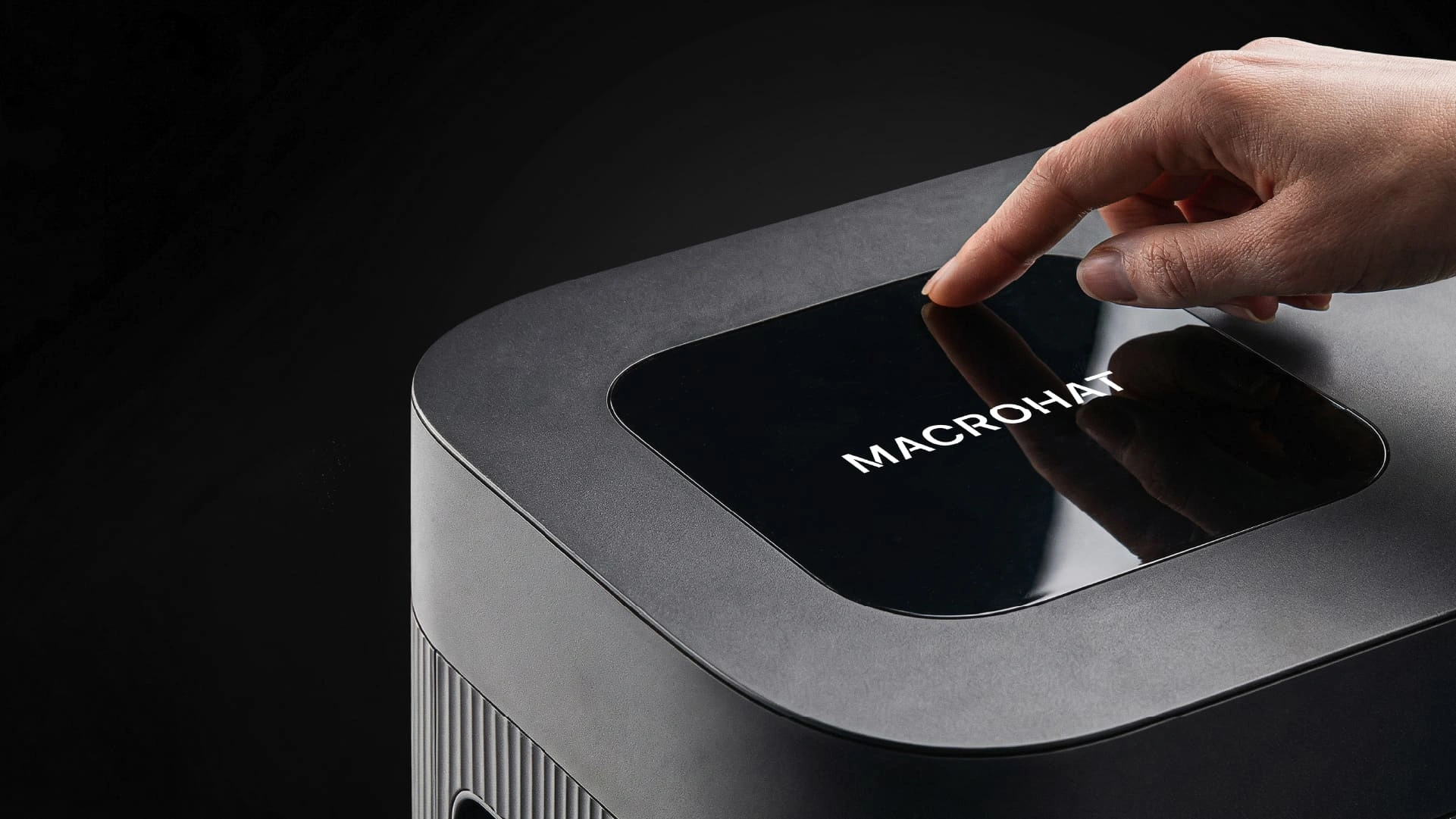
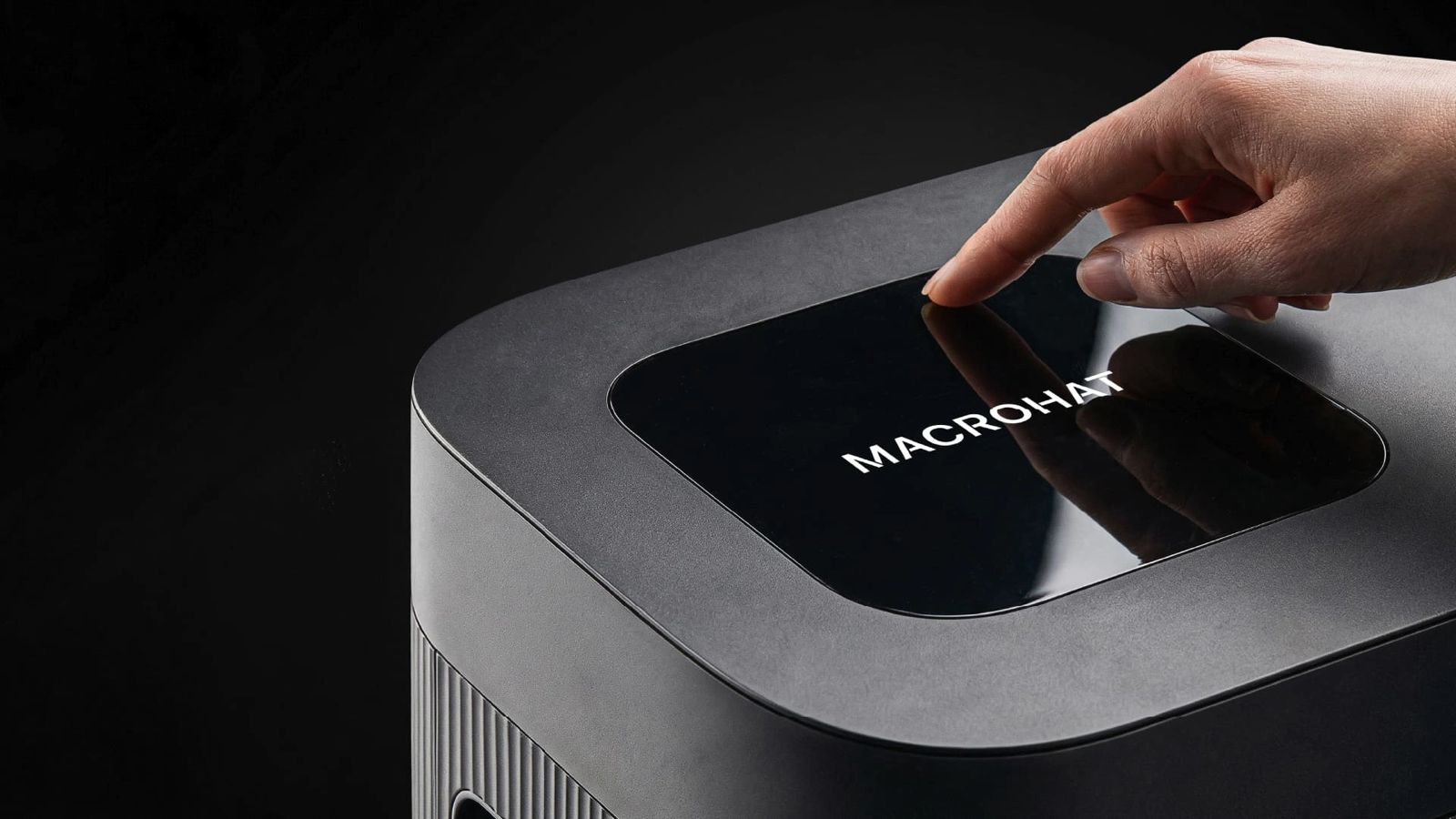
Need an example? Head to Macrohat, our latest brand development project, where the challenge was to position a smart-home company that embraces innovation in everyday living seamlessly.

Types of Branding: A Complete Guide for Modern Businesses

Employer Branding

A company has a reputation with its customers externally.

But it also has a reputation with its people internally.

Employer branding shapes how a company is perceived as a place to work, from the way it treats employees to the culture, values, opportunities, and work environment it communicates.

Of all the types of branding, this one looks inward before it communicates outward to the audience.

In simple words, it is the type of branding that shows the world what life inside the company looks like.

And that perception matters.

Because when people consider joining a company, they are not only evaluating the salary or job title. They are also asking:

Do I want to be part of this place?

That is where employer branding begins.

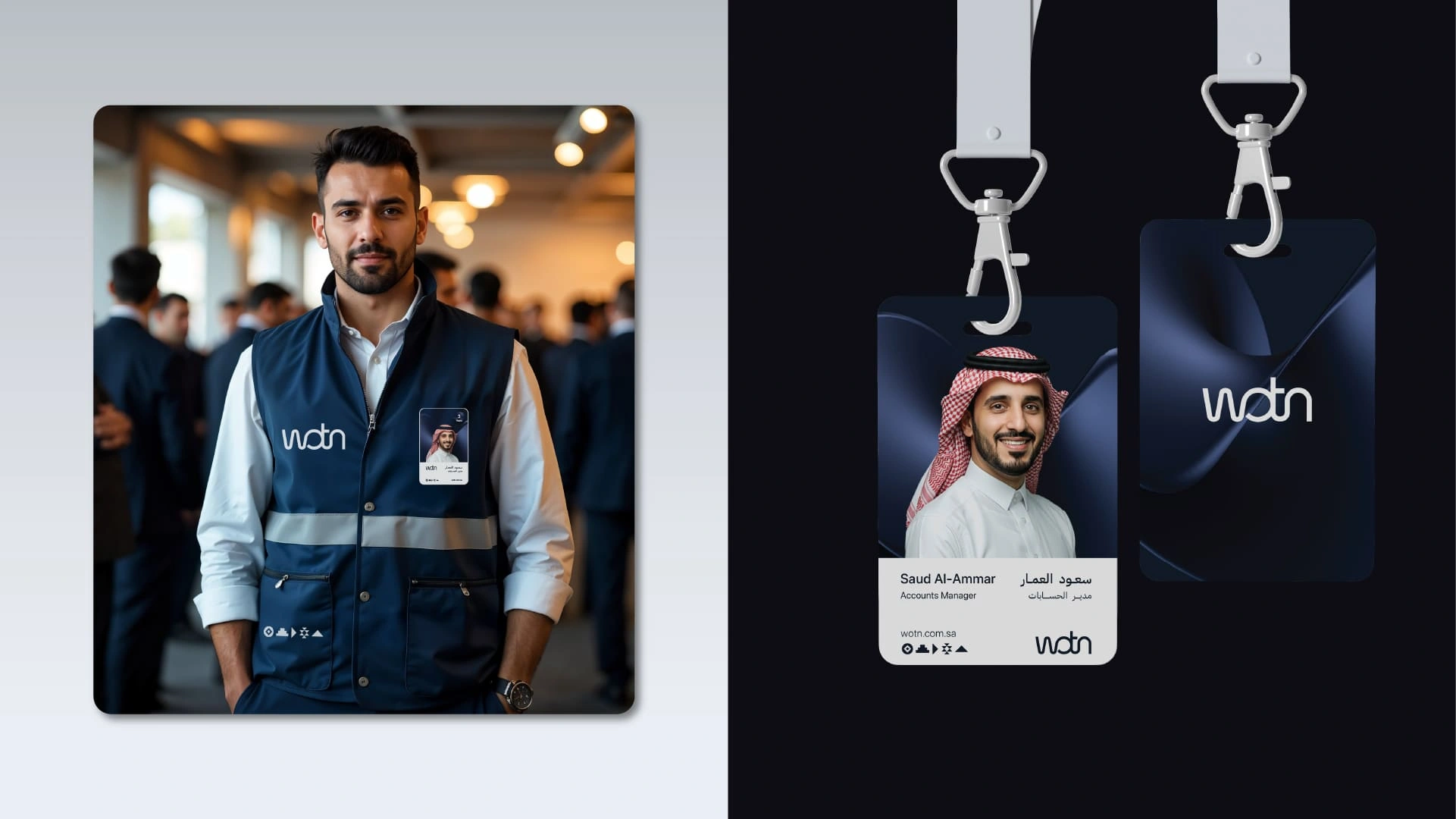
At WOTN, we developed a distinct internal identity designed to reflect the brand through its employee experience.

Types of Branding: A Complete Guide for Modern Businesses

Personal Branding

Brands have reputations.

So do people.

You might get confused between personal and employer, both types of branding target individuals, but in a different way.

Personal branding is the process of intentionally shaping how people perceive you. It is the first idea that comes to mind when someone hears your name or thinks about your work.

In personal branding, among the different types of branding, you are the business, the face, and the value being communicated.

And no, that doesn’t mean creating a fancy logo for yourself and we are done.

This type of branding means understanding what you offer, what makes you different, and what you want to become known for.

A strong personal brand can help you become easier to remember, build trust with your audience, and create opportunities around your expertise.

Because simply being good at what you do doesn’t always guarantee that people will notice you.

Being visible helps. Being known for something matters more.

Types of Branding: A Complete Guide for Modern Businesses

Product Branding

Sometimes, the product needs a world of its own.

Product branding creates a distinct identity and perception around a specific product. That can include its name, positioning, packaging, visual language, messaging, and the experience surrounding it.

The goal?

To make the product recognisable and give people a reason to choose it over another one sitting right beside it.

Heinz is a good example of how powerful that recognition can become.

In its 2025 “Looks Familiar?” campaign, Heinz played on its distinctive look and perception that has been building since day one. The idea worked because the visual asset had already become strongly associated with the brand.

That is where strong branding can eventually lead:

recognition before explanation.

Service Branding

Products can be seen, touched, packaged, and placed on a shelf.

Services can’t.

That makes service branding a different challenge. It is one of the types of branding most shaped by customer experience.

Banks, airlines, consulting firms, law firms, delivery platforms, hospitality companies, and many other businesses are selling something largely intangible.

So their brand is experienced through other things:

How easy was the process?
How did the employees communicate?
Did the company feel trustworthy?
Was the experience consistent?
Would you use the service again?

With service branding, the experience itself becomes one of the strongest expressions of the brand.

You don’t just say what your brand promises. You have to deliver it.

Retail Branding

Walk into IKEA, and you probably know where you are before you even look at the logo.

That is the power of a distinctive retail experience.

Retail branding is one of the most physical types of branding that focuses on creating a recognisable and consistent world around the shopping experience.

It can involve:

-Store layout

-Signage

-Displays

-Materials

-Lighting

-Music

-Packaging

-Customer service

-Digital shopping experience

Every detail contributes to how the customer perceives the brand.

So retail branding isn’t simply about decorating a store.

It is about turning the space into part of the brand experience.

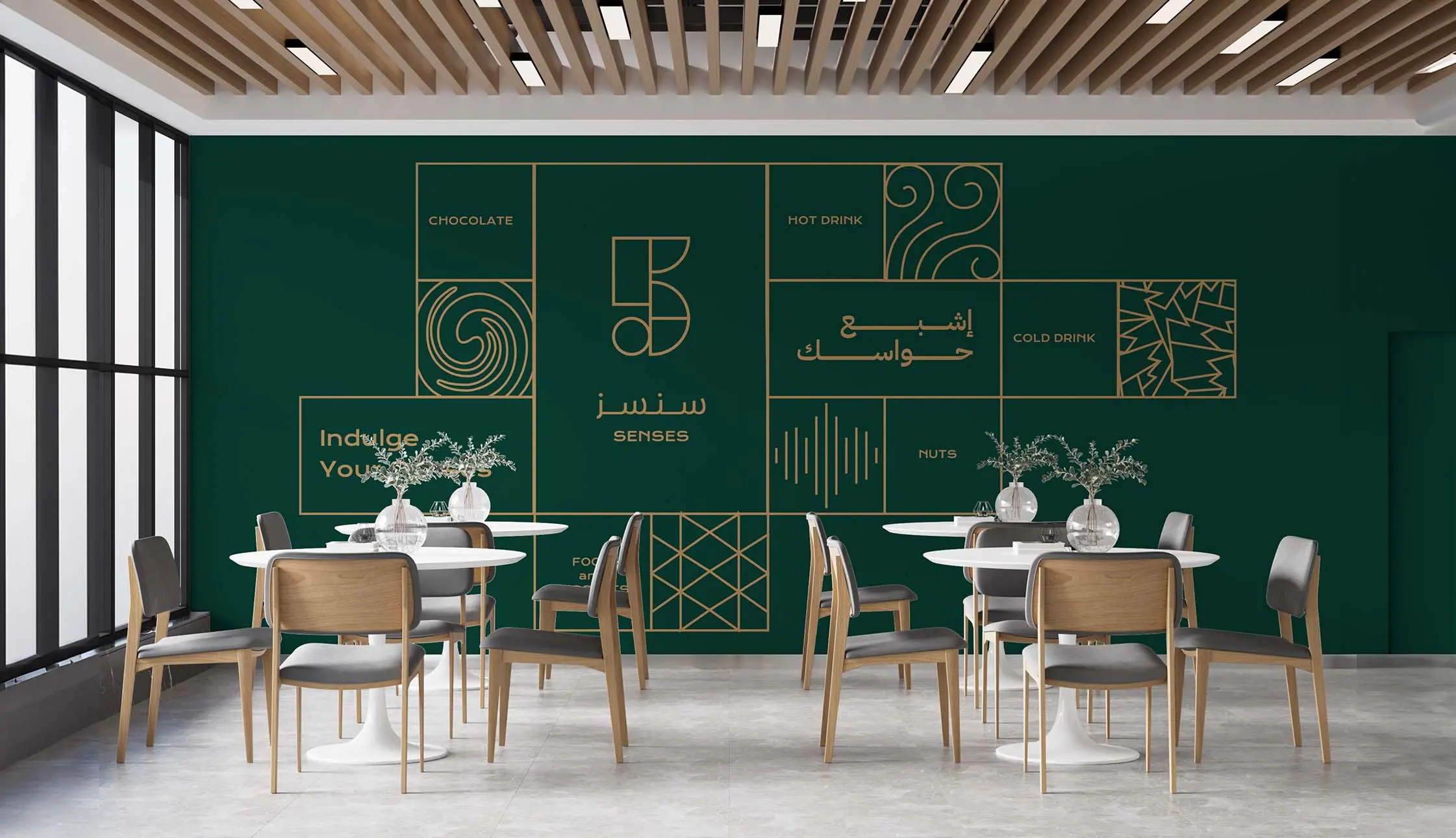
At 5senses, we crafted a physical experience that reflects the brand concept; you can view the full project here.

Types of Branding: A Complete Guide for Modern Businesses

Can All These Types of Branding Work Together?

Now comes the interesting part.

These types of branding don’t always exist separately. In many businesses, they start connecting to create one bigger brand ecosystem.

Imagine you start your own company.

First, you work with a branding agency to develop the company’s strategy, positioning, identity, and communication.

That’s corporate branding.

Then the company launches its first product. You want people to recognise it, remember it, and understand why it is different.

Now you need product branding.

As the company grows, you start sharing your expertise, opinions, and experience publicly. People begin associating your name with the industry.

That’s personal branding.

Then the business starts competing for talented people. Candidates want to know about the culture, team, values, and the feeling of actually working there.

Here comes employer branding.

If your company opens its own stores, those spaces need to translate the same brand essence into a physical experience.

Now retail branding enters the picture.

Got it?

One company.

Different audiences.

Different branding needs.

Different types of branding

But ideally, one connected perception.

But Do You Need Every Type of Branding?

Hold on.

Just because different types of branding exist doesn’t mean your business needs all of them.

A startup may need to focus heavily on corporate and product branding only.

A consultancy may benefit more from corporate, service, and personal branding.

A large organization competing for talent may need a strong employer brand.

A retail business has a completely different set of priorities.

The question shouldn’t be:

“Which types of branding can we do?”

It should be:

“Which of all these types of branding solves the problem we have?”

That is where strategy comes first.

Retail Branding

Walk into IKEA, and you probably know where you are before you even look at the logo.

That is the power of a distinctive retail experience.

Retail branding is one of the most physical types of branding that focuses on creating a recognisable and consistent world around the shopping experience.

It can involve:

-Store layout

-Signage

-Displays

-Materials

-Lighting

-Music

-Packaging

-Customer service

-Digital shopping experience

Every detail contributes to how the customer perceives the brand.

So retail branding isn’t simply about decorating a store.

It is about turning the space into part of the brand experience.

At 5senses, we crafted a physical experience that reflects the brand concept; you can view the full project here.

And What About Rebranding?

Rebranding is sometimes confused with being one of the types of branding, but it is better understood as a process.

Any of these brands can eventually be rebranded.

A company can go through corporate rebranding.
A product can be repositioned and rebranded.
Even a personal brand can make a rebrand.

Final Thoughts

Types of branding apply to people, products, businesses, and experiences; each has its own type and its own brand world.

Even cities and countries can build perceptions around who they are and what they represent.

Everything can become a brand; it takes a strategy to become a successful brand no matter its type.

So yes, we are really living in a world of branding.

But there is one thing worth remembering:

Different types of branding serve different purposes. The key is knowing which one you and your business actually need.

That’s where strategy comes first: the road map to a memorable brand.

At Generator, we are a strategic branding & design agency in Saudi Arabia & Egypt. We believe strategy comes first, followed by creative solutions.

If your brand needs strategic branding solutions to thrive, let’s meet!

Written by

the generator

Share